
Do You Need a License to Remove Mold in Florida?
Apr 25, 2026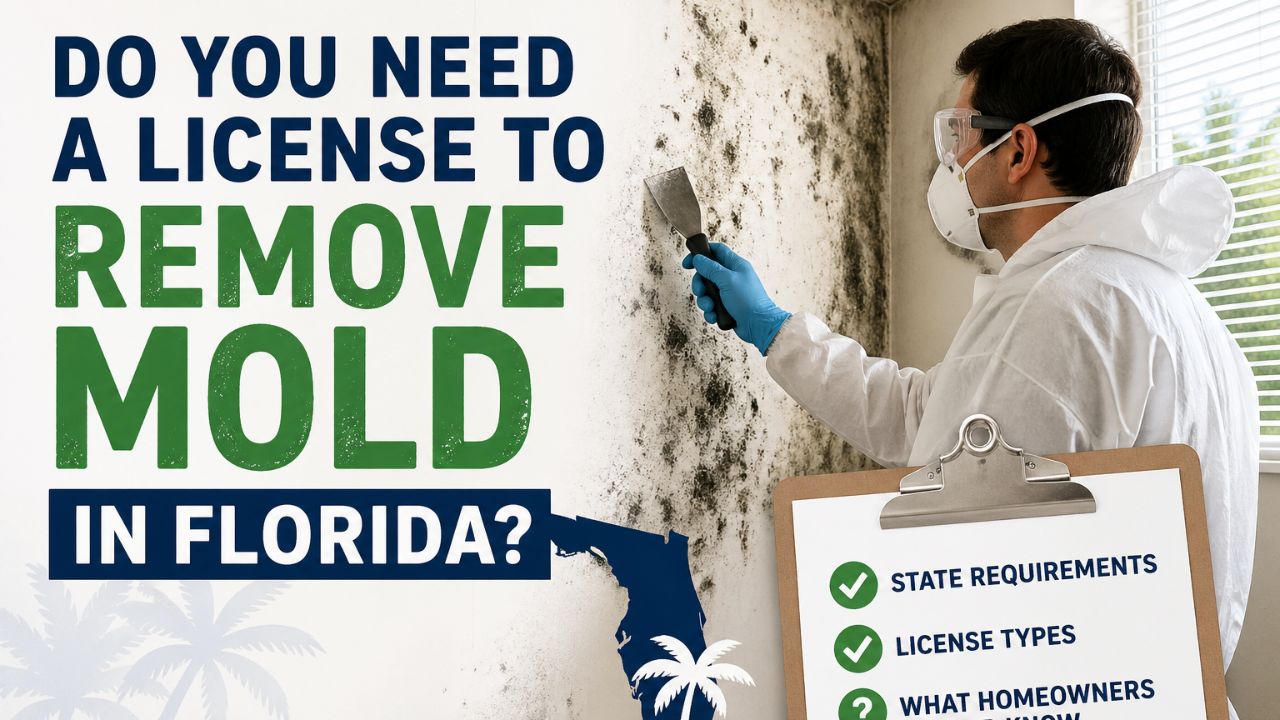
When it comes to mold problems in homes and businesses, many property owners search for clear answers about legality, safety, and hiring professionals. One of the most common questions is whether a license is required to remove mold in Florida. At Florida Mold Course, we aim to help students, contractors, and property owners understand mold remediation laws, certification requirements, and safe practices for handling mold contamination in Florida properties.
Mold growth is a serious issue caused by moisture damage, leaks, flooding, or high humidity. Because improper handling can lead to health risks and structural damage, Florida has specific rules governing mold assessment and mold removal services.
Understanding Mold Removal Regulations in Florida
In Florida mold remediation is regulated under state law. Not everyone is legally allowed to perform mold removal services for compensation. The state recognizes mold related work as a specialized profession that requires proper training, certification, and licensing.
The Florida Department of Business and Professional Regulation oversees mold related professions. This includes two key roles:
Mold assessor who evaluates and identifies mold contamination
Mold remediator who performs mold cleanup and removal
To legally offer mold remediation services in Florida as a business, individuals typically must hold a mold remediator license. This ensures that the person performing the work understands safety procedures, containment methods, moisture control, and proper disposal of contaminated materials.
Do You Need a License for Small Mold Cleanup Jobs
A common point of confusion is whether a license is required for every type of mold removal. The answer depends on the scope of work.
Homeowners can usually clean small areas of mold inside their own property without a license. For example, minor surface mold on bathroom tiles or small isolated spots caused by condensation can often be handled with basic cleaning methods.
However, once mold contamination becomes widespread or is caused by significant water damage, professional remediation is strongly recommended. In commercial settings or when performing work for payment, licensing rules apply more strictly.
If someone advertises mold removal services or charges for mold remediation work in Florida, they generally must have proper state licensing or work under a licensed mold remediator.
Why Licensing Matters for Mold Remediation
Licensing is not just a legal requirement. It also ensures safety, quality, and accountability in mold remediation work.
Mold exposure can cause respiratory issues, allergic reactions, and other health concerns. Licensed professionals are trained to use containment systems, air filtration equipment, and safe removal procedures that reduce exposure risks.
Proper licensing also ensures compliance with Florida mold cleanup standards, including:
- Assessment of moisture sources
- Containment of affected areas
- Safe removal of contaminated materials
- Prevention of cross contamination
- Proper post remediation cleaning and verification
Without these standards, mold problems can return or spread to other areas of a building.
Florida Mold Remediation Certification and Training
To become mold remediation licensed in Florida, individuals must complete approved training programs and meet state requirements. This typically includes education on mold science, building moisture control, safety protocols, and legal compliance.
Training providers such as Florida Mold Course help individuals prepare for careers in the mold remediation industry. These programs are designed to build knowledge in mold inspection, mold removal techniques, and Florida regulatory requirements.
By completing proper training and certification, professionals can better serve property owners and ensure safe, compliant mold remediation services.
Difference Between Mold Removal and Mold Remediation
Many people use the term mold removal, but in the industry, mold remediation is the correct professional term.
Mold removal suggests that all mold can be completely eliminated, which is not realistic because mold spores naturally exist in the environment. Mold remediation focuses on reducing mold levels to safe and normal conditions by addressing the source of moisture and cleaning affected areas.
This distinction is important because Florida regulations are designed around remediation practices rather than complete removal.
Risks of Hiring Unlicensed Mold Removal Services
Hiring someone without proper licensing can lead to several risks for property owners. These include incomplete cleanup, hidden mold growth, improper disposal of contaminated materials, and potential health hazards.
Unlicensed work may also violate Florida regulations, which can create legal and financial issues for property owners if work is not performed according to state standards.
Choosing a properly trained and licensed mold remediation professional helps ensure that the job is done correctly the first time and reduces the chance of recurring mold problems.
When to Call a Licensed Mold Remediation Professional
It is recommended to contact a licensed mold remediation professional in situations such as:
- Visible mold covering large areas
- Musty odor that persists indoors
- Water damage from flooding or leaks
- Mold growth inside walls, ceilings, or HVAC systems
- Health symptoms linked to indoor mold exposure
In these cases, professional assessment and remediation are necessary to protect both property and health.
Get mold industry news and updates from NIAQI.
Join our mailing list to receive the latest news and updates from our expert mold instructors.
Don't worry, your information will not be shared.
We hate SPAM. We will never sell your information, for any reason.

