
How to Start a Mold Remediation Business
May 31, 2026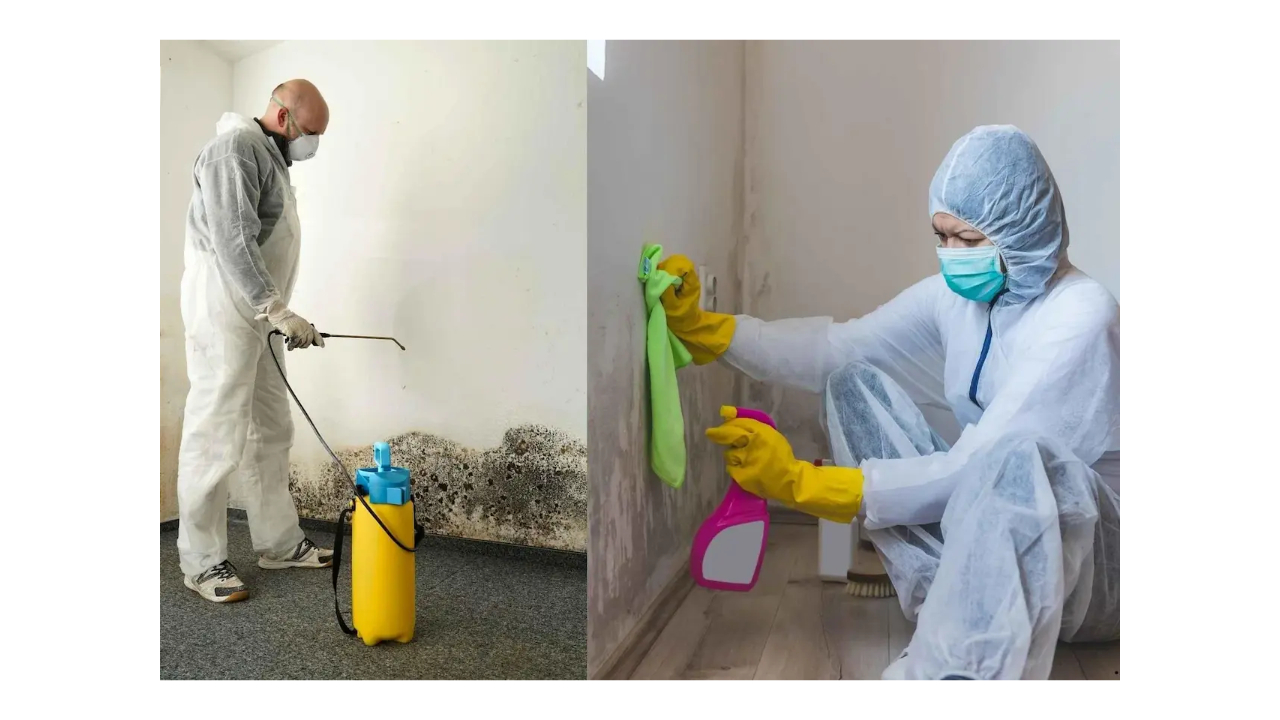
Starting a mold remediation business can be a smart move, especially in a state like Florida where humidity, storms, water intrusion, and aging properties create consistent demand for qualified mold professionals. But building a profitable remediation company is not just about buying equipment and finding customers.
It starts with licensing, training, compliance, insurance, documentation, pricing, and a clear plan for how your business will operate.
If you want to enter the mold industry seriously, you need to understand what it takes to start correctly from day one. Here’s what future mold remediation business owners should know before investing their time, money, and reputation.
Why Mold Remediation Is a Serious Business Opportunity
Mold remediation is not a casual side service. It involves health concerns, property damage, moisture control, containment, cleaning, demolition, documentation, and legal responsibility.
A mold remediation business may serve:
- Homeowners dealing with mold after leaks or flooding
- Property managers responsible for rental units
- Real estate professionals handling pre-sale concerns
- Insurance-related restoration projects
- Commercial buildings with water intrusion or indoor air quality issues
- Contractors and restoration companies that need licensed mold support
That demand can create strong business opportunities. But it also means clients expect professionalism, proper procedures, and compliance with Florida mold-related service requirements.
Before you start taking jobs, you need to build the foundation the right way.
Step 1: Understand What Mold Remediation Actually Involves
Mold remediation is the process of removing, cleaning, sanitizing, demolishing, or treating mold-contaminated materials. It may also include preventive activities designed to stop the mold issue from returning.
This is different from mold assessment.
A mold assessor inspects, evaluates, samples, and documents the mold problem. A mold remediator performs the cleanup and corrective work. In Florida, these roles are regulated separately, and business owners need to understand the difference before offering services.
If your goal is to run a remediation company, your focus will be on:
- Containment setup
- Moisture source awareness
- Removal of affected materials
- Cleaning and sanitizing
- HEPA filtration and air control
- Worker protection and PPE
- Jobsite documentation
- Communication with property owners, assessors, and insurance professionals
If you are still learning the difference between remediation and assessment, start by reviewing the Florida Mold Remediator License page so you understand what this career path requires.
Step 2: Get Proper Mold Remediation Training
Training is one of the most important early investments you will make. Mold remediation license requirements more than basic cleaning knowledge. You need to understand mold, moisture, safety, containment, remediation procedures, respiratory protection, building materials, and industry expectations.
Strong training helps you avoid costly mistakes such as:
- Improper containment
- Cross-contamination
- Incomplete removal
- Poor documentation
- Unsafe worker exposure
- Misleading clients about the scope of work
- Taking jobs that require additional licensing or expertise
For future business owners, training should prepare you for both the exam and the real-world responsibilities of remediation work. A course should not only teach definitions. It should help you understand what happens on an actual jobsite.
NIAQI offers mold training for students who want to prepare for licensing and enter the indoor air quality industry with confidence. You can explore available options on the NIAQI Course & Certification page.
Step 3: Meet Florida Mold Licensing Requirements
If you plan to offer mold remediation services for compensation in Florida, licensing is a critical part of the process.
In general, future mold remediators need to:
- Complete appropriate education or training
- Pass a department-approved mold remediation examination
- Submit the required application to the Florida DBPR
- Meet applicable experience or education requirements
- Complete fingerprinting and background requirements
- Carry required insurance coverage
- Maintain compliance after licensure
This is not a step to rush through. Your license is what allows you to operate professionally and legally in the mold remediation field.
Before you make business decisions, review the Florida mold license requirements so you understand what is expected before applying.
Step 4: Choose Your Business Structure
Once you understand the licensing path, you need to decide how your business will be set up.
Many remediation companies operate as:
- Sole proprietorships
- LLCs
- Corporations
- Partnerships
- Restoration company divisions
- Contractor-affiliated service lines
For most new owners, an LLC is often considered because it can separate business operations from personal finances. However, you should speak with a business attorney or CPA before choosing your structure.
What matters most is that your business structure supports:
- Licensing compliance
- Insurance coverage
- Tax planning
- Contracts and liability protection
- Hiring and payroll
- Future growth
Also remember that a company itself is not a replacement for individual licensing. Mold-related services must be performed or supervised by properly licensed individuals. If you plan to hire technicians, expand into multiple crews, or partner with other companies, make sure your structure supports compliant operations.
Step 5: Get the Right Insurance
Insurance is not optional in a serious mold remediation business. Mold work involves property, health, and liability risks. If something goes wrong, the cost can be significant.
A mold remediation business should speak with an insurance provider about coverage such as:
- General liability insurance
- Mold-specific liability coverage
- Workers’ compensation
- Commercial auto insurance
- Tools and equipment coverage
- Errors and omissions coverage, if applicable
- Pollution or environmental liability coverage, depending on scope
Florida mold remediators must maintain general liability insurance that includes specific coverage for mold-related claims. Do not assume a basic contractor policy automatically covers mold work. Many policies exclude mold unless coverage is specifically added.
Before taking your first job, confirm that your insurance matches the services you plan to offer.
Step 6: Invest in the Right Equipment
Mold remediation requires professional equipment. You do not need to buy everything at once, but you do need the proper tools to perform safe and effective work.
Common equipment may include:
- HEPA air scrubbers
- Negative air machines
- HEPA vacuums
- Moisture meters
- Thermal imaging tools
- Dehumidifiers
- Containment materials
- Poly sheeting and tape
- PPE and respirators
- Cleaning and antimicrobial products
- Disposal bags
- Ladders and hand tools
- Documentation software
- Jobsite signage
What you buy first depends on the type of jobs you plan to target. A solo operator doing small residential projects will have different needs than a company pursuing larger commercial or insurance-related work.
The key is not just owning equipment. You need to know when and how to use it properly.
Step 7: Build a Documentation Process
Documentation can make or break a mold remediation business.
Every job should be documented carefully before, during, and after work. This protects your company, supports transparency, and gives clients confidence that the work was handled professionally.
Your documentation process should include:
- Initial work authorization
- Scope of work
- Photos before remediation
- Photos during remediation
- Moisture readings
- Containment setup details
- Equipment logs
- Worker notes
- Material removal records
- Cleaning steps performed
- Final photos
- Communication records
- Third-party clearance results, when applicable
Good documentation also helps when working with insurance adjusters, property managers, and assessors. If you cannot prove what you did, it becomes harder to defend the quality of your work.
For business owners who want better job tracking, photo documentation, and workflow control, NIAQI also connects students with the Clean Claims IAQ business documentation tool.
Step 8: Create Your Pricing Model
Pricing mold remediation jobs requires more than guessing. Your pricing should reflect labor, equipment, materials, risk, disposal, travel, documentation, insurance, and overhead.
Common pricing factors include:
- Size of the affected area
- Type of material affected
- Difficulty of access
- Level of containment required
- Equipment needed
- Number of technicians required
- Duration of the job
- Disposal requirements
- Safety concerns
- Whether demolition is involved
- Whether post-remediation verification is needed
Do not compete only on price. Mold remediation clients are not just buying labor. They are paying for expertise, safety, compliance, documentation, and peace of mind.
If you price too low, you may win jobs but lose money. If you price without understanding your costs, your business may struggle even when you stay busy.
Step 9: Understand What Work You Can and Cannot Do
This is one of the most important parts of starting a mold remediation business in Florida.
A mold remediator does not automatically have the right to perform every type of construction, plumbing, HVAC, electrical, roofing, or structural repair work. If a job requires a separate contractor license, you need to be properly licensed or work with someone who is.
For example, you may be able to remove mold-contaminated drywall as part of remediation, but rebuilding, structural repair, electrical work, HVAC repair, or plumbing correction may require additional licenses.
You should also understand conflict-of-interest rules. In many situations, assessment and remediation should remain separate. If your company performed assessment work on a property, you may be restricted from performing remediation on that same structure within a certain time period.
This is why many remediation companies build referral relationships with independent mold assessors. The assessor identifies and documents the issue, and the remediator performs the cleanup based on a clear scope.
Step 10: Build Referral Relationships
Mold remediation is a relationship-driven business. Many jobs come through professional referrals, not just online ads.
Strong referral sources may include:
- Mold assessors
- Home inspectors
- Real estate agents
- Property managers
- Plumbers
- Roofing contractors
- HVAC companies
- Restoration companies
- Insurance agents
- General contractors
- Attorneys involved in property disputes
- Apartment and condo associations
The goal is to become the company people trust when a mold problem needs to be handled professionally.
To build referrals, focus on:
- Fast communication
- Clear estimates
- Professional documentation
- On-time job completion
- Respectful customer service
- Clean job sites
- Proper licensing and insurance
- No exaggerated claims
- Consistent follow-up
Referral partners want to send business to companies that make them look good. If you are reliable, organized, and professional, your referral network can become one of your strongest growth channels.
Step 11: Create a Marketing Plan
Once your business foundation is ready, you need a marketing plan to attract clients.
Your marketing should include:
- A professional website
- Google Business Profile optimization
- Local SEO
- Service pages for mold remediation
- Before-and-after project photos
- Educational blog content
- Reviews and testimonials
- Referral outreach
- Local networking
- Social media proof
- Paid ads, if your budget allows
Your website should clearly explain:
- What areas you serve
- What services you offer
- Whether you are licensed and insured
- What the remediation process looks like
- How customers can request an inspection or estimate
- What makes your company different
Avoid making fear-based or exaggerated health claims. Mold is a serious issue, but your marketing should be accurate, professional, and compliant.
Step 12: Plan for Continuing Education and Renewal
Starting the business is only the beginning. Once you are licensed, you must stay current with renewal and continuing education requirements.
Continuing education helps you stay updated on:
- Mold industry standards
- Safety practices
- Moisture control
- Documentation expectations
- Florida compliance requirements
- New tools and technology
- Better remediation methods
A serious mold remediation business should treat continuing education as part of long-term professionalism, not just a renewal task.
If you already hold a license and need renewal education, review NIAQI’s Florida Mold CEU courses to understand available options.
Common Mistakes New Mold Remediation Businesses Make
Many new business owners enter the mold industry with good intentions but make avoidable mistakes.
Common mistakes include:
- Starting work before understanding licensing requirements
- Buying equipment before getting trained
- Underpricing jobs
- Failing to document properly
- Taking jobs outside the company’s legal scope
- Ignoring insurance exclusions
- Mixing assessment and remediation roles incorrectly
- Not building referral relationships
- Making unsupported health claims
- Treating mold work like basic cleaning
These mistakes can lead to financial loss, liability, failed inspections, unhappy clients, and compliance problems.
The best way to avoid them is to start with education, licensing, proper procedures, and a business plan that supports long-term growth.
Questions to Ask Before Starting
Before you start a mold remediation business, ask yourself:
- Do I understand Florida’s mold remediation licensing process?
- Have I completed proper mold remediation training?
- Do I know what work requires additional contractor licensing?
- Do I have the right insurance coverage?
- Can I document every job professionally?
- Do I know how to price jobs profitably?
- Do I have referral relationships or a plan to build them?
- Am I prepared to invest in equipment, marketing, and continuing education?
- Do I understand the difference between mold assessment and mold remediation?
- Am I building a business that can scale beyond myself?
The answers to these questions will show whether you are ready to start or whether you need more preparation before taking on clients.
How NIAQI Helps Future Mold Remediation Business Owners
At NIAQI, we help students prepare for more than an exam. We help future mold professionals understand the technical, practical, and professional side of the indoor air quality industry.
Our mold remediation training helps students build a foundation in:
- Mold and moisture awareness
- Remediation principles
- Safety and PPE
- Containment concepts
- Cleaning and removal procedures
- Industry expectations
- Exam preparation
- Career readiness
Whether you want to work for an established restoration company, start your own remediation business, or add mold services to an existing company, proper training is the first step.
NIAQI offers professional mold training options for students who are serious about entering the industry the right way. If you have questions before choosing a course, you can contact NIAQI for guidance.
Ready to Start Your Mold Remediation Business?
A mold remediation business can be profitable, meaningful, and in demand, but only when it is built on the right foundation.
Start with training. Understand the license requirements. Get insured. Learn how to document your work. Build referral relationships. Price your jobs correctly. Stay compliant. Keep learning.
The companies that succeed in mold remediation are not always the ones with the most equipment. They are the ones that understand the work, protect their clients, document properly, and operate professionally.
If you are ready to begin your path, explore the Florida Mold Remediator License page or register for the NIAQI Course & Certification to take the next step toward your mold remediation career.
FAQs
Q1. Do I need a license to start a mold remediation business in Florida?
Yes. If you plan to offer mold remediation services for compensation in Florida, you must understand and meet the state’s mold-related licensing requirements. The work must be performed or supervised by properly licensed individuals.
Q2. How do I become a licensed mold remediator in Florida?
The general process includes completing proper training, passing a department-approved mold remediation exam, submitting your application to the Florida DBPR, meeting experience or education requirements, completing fingerprinting, and carrying required insurance.
Q3. How much does it cost to start a mold remediation business?
Startup costs vary depending on your equipment, insurance, licensing, training, marketing, vehicle needs, and whether you start as a solo operator or with a crew. New owners should budget carefully for training, exam costs, insurance, tools, containment materials, air filtration equipment, and marketing.
Q4. Is mold remediation profitable?
Mold remediation can be profitable when jobs are priced correctly, documented properly, and performed efficiently. Profitability depends on your market, overhead, equipment costs, referral network, and ability to complete work safely and professionally.
Q5. Can a mold remediator also be a mold assessor?
An individual may pursue both paths, but assessment and remediation roles must be handled carefully. In many situations, the assessor and remediator roles must remain separate to avoid conflicts of interest.
Q6. What equipment do I need to start?
Common equipment includes HEPA air scrubbers, negative air machines, HEPA vacuums, moisture meters, PPE, containment materials, cleaning products, disposal bags, and documentation tools. The exact equipment depends on the size and type of jobs you plan to perform.
Q7. Can I start a mold remediation business from home?
Many small remediation companies begin as home-based businesses, but you still need proper licensing, insurance, equipment storage, vehicle access, business registration, and local compliance. Check local zoning and business requirements before operating from home.
Q8. What is the best first step?
The best first step is education. Before buying equipment or advertising services, complete proper mold remediation training and understand the licensing process. This helps you start legally, safely, and professionally.
Get mold industry news and updates from NIAQI.
Join our mailing list to receive the latest news and updates from our expert mold instructors.
Don't worry, your information will not be shared.
We hate SPAM. We will never sell your information, for any reason.

