
Is Mold Remediation a Profitable Business?
May 05, 2026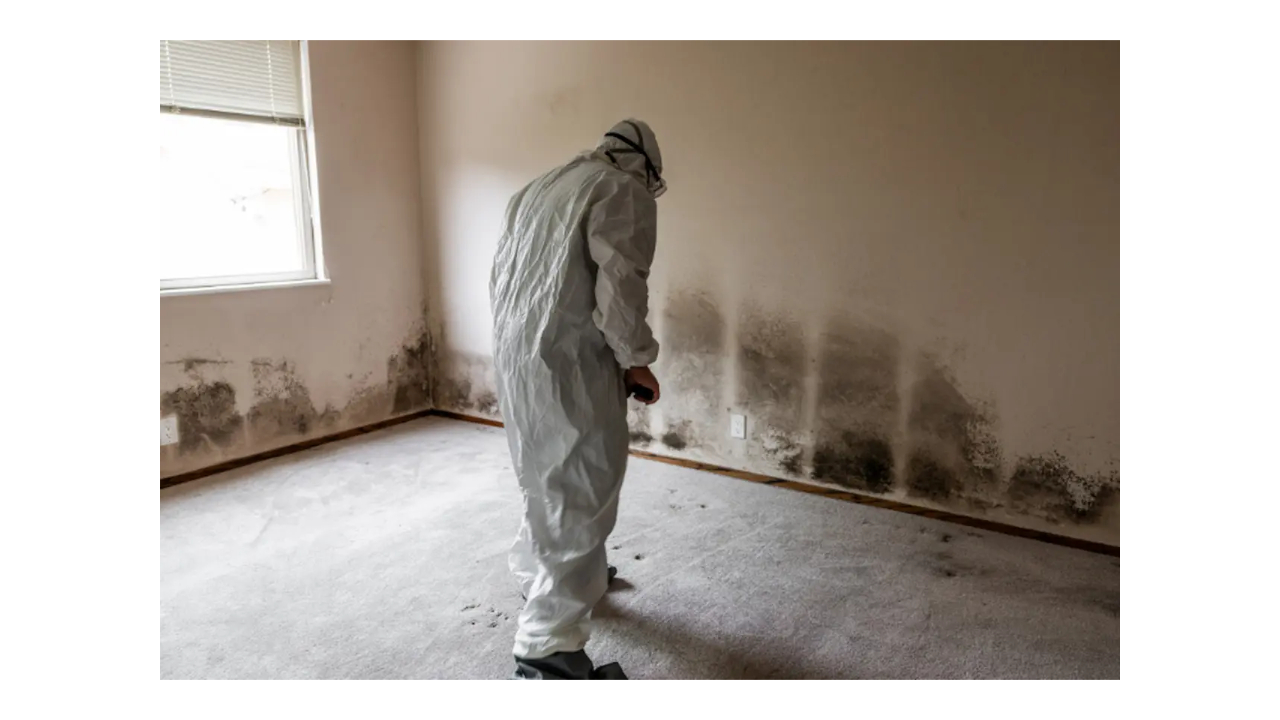
If you have ever wondered whether mold remediation is a financially rewarding career path or business venture, the short answer is yes, and Florida is one of the best places in the country to build that business. The mold remediation industry has experienced consistent growth driven by climate conditions, aging building stock, insurance claims, and increasing public awareness about Indoor Air Quality. With relatively low barriers to entry compared to other licensed trades, the right mold course and proper mold licensure can position you to earn a strong income doing work that is always in demand.
This guide breaks down the earning potential, the licensing requirements, the professional roles available, and exactly how you can get started with the right Indoor Air Quality course in Florida.
What Is Mold Remediation and Why Does It Matter?
Mold remediation is the professional process of identifying, containing, removing, and preventing the return of mold growth in residential and commercial properties. It goes hand in hand with mold assessment, which involves the inspection and testing of indoor environments to determine the presence, type, and scope of microbial contamination.
Together, mold assessment and mold remediation form the core services of a growing profession known as Indoor Air Quality or IAQ. The IAQ industry addresses all types of indoor air contaminants, including mold, moisture intrusion, volatile organic compounds, HVAC contamination, and other biological or chemical hazards that affect the health of occupants in living and working environments.
Florida's warm and humid climate makes it one of the highest-demand states for mold-related services. Properties are constantly exposed to moisture intrusion from rainfall, flooding, hurricanes, and high ambient humidity levels. This creates a steady, year-round pipeline of work for licensed mold professionals.
How Much Money Can You Make in Mold Remediation?
Mold remediation is genuinely profitable for both solo operators and business owners who build teams. Here is a realistic picture of what the numbers look like.
A licensed mold remediator working independently in Florida can typically charge between $500 and $6,000 per residential job depending on the scope of contamination, the size of the property, and the remediation methods required. Larger commercial jobs can run from $10,000 to $50,000 or more.
A mold assessor, who performs the inspection and produces the written assessment report required before and after remediation, typically charges between $300 and $800 per residential assessment and significantly more for commercial properties. The assessment and remediation roles are legally required to be performed by separate licensed individuals in Florida, which effectively doubles the number of licensed professionals needed for each job.
Business owners who build a team of licensed professionals can scale revenue significantly, especially in markets like South Florida, Orlando, Tampa, and other high-humidity metro areas where mold-related insurance claims are common. Many mold businesses also expand into related IAQ services, fire remediation, water damage restoration, and HVAC cleaning, further increasing revenue per client.
The mold remediation industry is frequently described as recession-proof. Mold does not stop growing during economic downturns, and property owners, landlords, property managers, and insurance companies must continue to address mold issues regardless of broader economic conditions.
What Licenses Do You Need to Work in Mold Remediation in Florida?
Florida regulates mold-related services through the Department of Business and Professional Regulation, known as the DBPR. To legally perform mold assessment or mold remediation in the state, you must hold the appropriate mold license in Florida.
There are two primary licenses available under Florida mold licensure:
The Mold Assessor license, also referred to as MRSA or Mold Related Services Assessor, authorizes the holder to inspect properties, collect samples, interpret laboratory results, and produce formal written assessment reports. You can learn more about the pathway to this credential on the Mold Assessor License in Florida page.
The Mold Remediator license, also referred to as MRSR or Mold Related Services Remediator, authorizes the holder to perform the physical work of removing mold, treating affected materials, and restoring indoor environments to safe, habitable conditions. Full details about earning this credential are available on the Mold Remediation License in Florida page.
Florida law requires that mold assessment and mold remediation on the same property be performed by separately licensed individuals or companies. This legal requirement ensures work quality and prevents conflicts of interest, and it also means the market needs twice as many licensed professionals to service every job.
To qualify for either license, applicants must complete an approved training program covering mold, moisture, and respiratory protection, pass a state-approved proctored examination, and submit documentation of relevant field experience. A full breakdown of all application requirements, fees, fingerprinting procedures, and good moral character standards is available on the License Requirements page.
What Is the Difference Between MRSA and MRSR Certifications?
MRSA stands for Mold Related Services Assessor. An MRSA licensed professional is authorized to assess the presence of mold in buildings, conduct sampling, interpret results, and write formal remediation protocols. Mold inspectors certification at the MRSA level makes you the first point of contact for a property owner who suspects mold growth, and your written report becomes the legal document that directs all subsequent remediation work.
MRSR stands for Mold Related Services Remediator. An MRSR licensed mold remediator is authorized to execute the physical remediation work based on the assessor's protocol. This includes containment setup, removal of contaminated materials, application of antimicrobial treatments, and final clearance testing coordination.
Holding both an MRSA and MRSR license does not allow a single individual to assess and remediate the same job in Florida, but it does allow a business owner or operator to offer both services through their company by employing licensed professionals in each role. Many professionals earn both credentials to increase their market value and overall professional flexibility.
Why Indoor Air Quality Is a Growing and Profitable Field
The IAQ industry extends well beyond mold. Indoor Air Quality as a profession encompasses the full range of biological, chemical, and particulate contaminants that affect the health of building occupants. Professionals with strong IAQ development backgrounds work in mold assessment and remediation, but also in moisture investigations, HVAC analysis, ventilation consulting, fire damage remediation, and forensic building analysis.
IAQ Development as a career path offers exceptional upward mobility. Certified Indoor Air Quality professionals are sought by restoration companies, property management firms, insurance companies, construction firms, real estate companies, and government agencies. The growing awareness of how Indoor Air Quality affects human health, particularly in the wake of increased concern about respiratory illness and environmental health, has driven demand for qualified IAQ professionals to new heights.
An Indoor Air Quality Course that goes beyond surface-level mold basics prepares professionals to address this full range of IAQ challenges. The NIAQI Course and Certification program offered by the National Indoor Air Quality Institute was specifically designed to provide this kind of comprehensive education, covering building science, microbial contamination, sampling methodology, HVAC systems, chemical toxicity, and health and safety standards in a single integrated curriculum.
What a Quality Mold Course in Florida Covers
Not all mold courses in Florida are created equal. A comprehensive mold course that prepares you for both professional competence and licensure success should cover far more than the minimum requirements for passing an exam.
The NIAQI mold course in Florida covers the following areas in depth: introduction to the IAQ industry and professional standards, understanding moisture behavior in buildings, drying strategies and techniques, building science and forensic investigation methods, construction fundamentals relevant to mold growth and remediation, microbial biology and IAQ science, sampling methodology and laboratory result interpretation, chemicals and toxicology as they relate to remediation, health and safety protocols including personal protective equipment, HVAC systems and their role in Indoor Air Quality, and comprehensive remediation and prevention strategies.
This curriculum is taught by instructors with over 50 years of combined real-world experience in the field and in the classroom. The format blends lectures, class discussions, hands-on demonstrations, and review sessions across a structured multi-day program. Students who complete the program and pass their state-required examination receive their certificate of completion and are fully prepared to apply for their Florida mold license through the DBPR.
This level of preparation is what separates professionals who merely hold a license from professionals who build lasting, reputable businesses.
The Mold Assessor Course Path and What to Expect
The mold assessor course track is ideal for individuals who want to specialize in the investigative and diagnostic side of mold-related services. As a mold assessor, your work involves visiting properties, conducting thorough visual inspections, collecting air and surface samples, submitting those samples to accredited laboratories, interpreting the results, and writing formal reports that document findings and prescribe appropriate remediation protocols.
This role requires strong analytical thinking, attention to detail, and the ability to communicate technical findings to property owners, insurance adjusters, and remediation contractors. The Mold Assessor License in Florida credential gives you exclusive legal authority to perform this work professionally in the state.
The NIAQI mold assessor course prepares students for the MRSA examination with particular emphasis on sampling methodology, laboratory science, written protocol development, and the legal and professional standards that govern mold assessment in Florida. Assessors are among a relatively small group of licensed professionals in the state, making the credential both exclusive and financially valuable.
The Mold Remediator Path and Business Opportunities
A licensed mold remediator is the professional who physically addresses mold contamination once it has been documented by a licensed assessor. The Mold Remediation License in Florida authorizes you to set up containment zones, perform demolition and removal of affected materials, apply EPA-approved treatments, and restore affected areas to habitable conditions.
The business opportunities for licensed remediators are substantial. Insurance-related mold claims represent a significant and consistent revenue stream. Partnerships with real estate professionals, property managers, and restoration contractors create referral pipelines that keep schedules full. Many remediators also develop relationships with mold assessors so that each party refers work to the other, creating a mutually beneficial professional network.
Remediators who invest in proper equipment, build a reputation for quality work, and stay current with continuing education can grow from sole operator status to running crews of trained technicians, significantly multiplying income potential.
How Mold Inspectors Certification Opens Business Doors
Earning your mold inspectors certification through a state-approved program creates immediate professional credibility. In a field where homeowners, property managers, and insurance adjusters are entrusting licensed professionals with significant financial decisions, credentials matter enormously.
Certified and licensed mold inspectors in Florida work in diverse settings including residential real estate transactions, commercial property management, insurance loss assessments, legal dispute resolution, and public health consulting. Each of these market segments represents a distinct revenue stream, and professionals who understand how to navigate all of them can build genuinely diverse and resilient businesses.
The NIAQI certification program, voted Best Mold Certification Course in 2023, prepares students for both the MRSA and MRSR examinations, making it possible to earn both credentials from a single course experience. Students receive certifications as Certified Air Quality Consultant (CAQC) and Certified Indoor Air Quality Remediator (CAQR) upon successful completion.
Continuing Education and IAQ Professional Development
Florida requires licensed mold professionals to complete 14 hours of continuing education every two years to renew their licenses with the DBPR. This is not just a regulatory checkbox. Continuing education in the IAQ field keeps professionals current on evolving standards, new remediation technologies, emerging contaminants, and updated industry protocols.
NIAQI offers an IAQ Professional Development Continuing Education course that fulfills the biennial renewal requirement and delivers substantive real-world knowledge. The CEU program is available to licensed mold assessors and remediators who want to stay sharp, stay compliant, and continue developing their professional expertise. You can explore the full continuing education options on the CEU page.
IAQ Development as a lifelong professional journey also opens doors to advanced roles in environmental consulting, industrial hygiene, and forensic building investigation. The foundations laid by a strong initial Indoor Air Quality Course create a platform for continued growth throughout an entire career.
Who Should Consider Starting a Mold Remediation Business?
Mold remediation and mold assessment are excellent business paths for a wide range of professionals. Contractors who already operate in construction, roofing, plumbing, or general remodeling can add mold licensure to dramatically expand their service offerings and revenue potential. Home inspectors who add mold related services gain a powerful competitive advantage in the real estate transaction market.
Property managers, facility managers, and maintenance supervisors who understand IAQ issues can provide more value to their employers and open new income opportunities. Adjusters and insurance professionals who understand mold assessment and remediation are better equipped to handle claims accurately and efficiently. Environmental consultants and industrial hygienists looking for advanced field-level training in mold specifically will find the NIAQI curriculum goes far beyond introductory material.
Entrepreneurs with no background in construction or environmental work can also enter this field successfully. The licensing pathway is accessible, the training is practical and hands-on, and the market is large enough to support new entrants who commit to professional quality and ethical business practices.
How to Get Started with Your Florida Mold License Today
Getting started with your mold license in Florida is a straightforward process when you have the right training partner. First, enroll in a state-approved mold course that covers all required topics and prepares you comprehensively for the MRSA or MRSR examination. Second, complete the course and pass your proctored state examination. Third, gather your documentation of field experience and submit your application to the DBPR along with the required fees and fingerprinting. Fourth, upon approval, begin operating as a licensed mold professional.
The NIAQI program at floridamoldcourse.com handles the first and second steps with excellence. Their team of instructors with over 50 years of combined experience prepares students not just to pass exams but to operate confidently and competently in the field from day one.
If you have questions about the licensing requirements, the Help and FAQ page provides detailed answers, and the NIAQI team is available to assist by phone at (407) 440-2326.
Conclusion
Mold remediation is not just a profitable business. It is a recession-proof, license-protected, high-demand profession with strong upward earning potential and multiple paths for growth. Florida's climate, regulatory framework, and large property market make it one of the most favorable states in the country to build a mold-related services business.
The key to entering this industry the right way is proper education and legal licensure. A comprehensive mold course in Florida that goes beyond the basics, teaches real-world IAQ skills, and prepares you thoroughly for your MRSA or MRSR certification examination is not an expense. It is the foundation of everything that follows.
If you are ready to start or grow your career in mold assessment, mold remediation, or Indoor Air Quality, NIAQI is the trusted training provider that has helped hundreds of professionals earn their Florida mold license and build successful businesses. Explore all available courses and register for the next session at floridamoldcourse.com/NIAQI-Course-Certification.
Frequently Asked Questions About Mold Remediation as a Business
Is mold remediation a good business to start in Florida? Yes. Florida's warm, humid climate creates persistent mold problems in residential and commercial properties year-round. The state requires separate licensed professionals for assessment and remediation, which increases demand for qualified practitioners. With a proper mold license in Florida, you enter a market with consistent work and strong earning potential.
What is the difference between a mold assessor and a mold remediator? A mold assessor (MRSA) inspects properties, collects samples, and writes formal remediation protocols. A mold remediator (MRSR) physically removes mold and restores affected areas. Florida law requires these two roles to be performed by different licensed individuals on the same job, which creates demand for professionals in both roles on every project.
How long does it take to get a mold license in Florida? The NIAQI mold course in Florida runs over three structured days. After completing the course and passing the state examination on day three, you can submit your DBPR application. Total time from enrollment to receiving your license depends on application processing, but many professionals are ready to work within a few weeks of completing training.
What does a mold course in Florida typically cover? A comprehensive mold course covers building science, moisture behavior, microbial biology, sampling methodology, HVAC systems, chemical safety, health and safety protocols, and remediation techniques. The NIAQI Indoor Air Quality course goes significantly deeper than minimum requirements to prepare students for real-world professional success.
What is the cost to get a mold license in Florida? The NIAQI course with one exam starts at $1,055 for in-person attendance. State application fees through the DBPR include a $125 application fee, a $100 licensure fee, and a $5 unlicensed activity fee, along with fingerprinting costs. The total investment is modest relative to the earning potential the license unlocks.
Do I need to renew my Florida mold license?
Yes. Florida requires licensed mold assessors and remediators to complete 14 hours of continuing education every two years to renew their DBPR license. NIAQI offers a dedicated IAQ Professional Development CEU course that fulfills this requirement.
Can I hold both an MRSA and MRSR license?
Yes, you can hold both the mold assessor (MRSA) and mold remediator (MRSR) licenses. However, Florida law prohibits the same individual from performing assessment and remediation on the same property. Holding both licenses increases your professional versatility and allows you to build a business that can offer both services through separate team members.
What is IAQ and why does it matter for a mold business?
IAQ stands for Indoor Air Quality. The IAQ industry covers the full range of biological, chemical, and particulate contaminants affecting building occupants. Mold is one component of IAQ, but professionals with broader IAQ knowledge and development can serve clients in water damage restoration, HVAC consulting, fire remediation, and environmental consulting, all of which expand revenue opportunities beyond mold alone.
Where can I find a state-approved mold course in Florida?
The National Indoor Air Quality Institute (NIAQI) offers Florida DBPR accredited mold assessor and mold remediator certifications through their comprehensive Indoor Air Quality course. You can register for upcoming sessions and learn more at floridamoldcourse.com.
Get mold industry news and updates from NIAQI.
Join our mailing list to receive the latest news and updates from our expert mold instructors.
Don't worry, your information will not be shared.
We hate SPAM. We will never sell your information, for any reason.

