
Mold After a Hurricane in Florida: What to Do First
Jul 24, 2026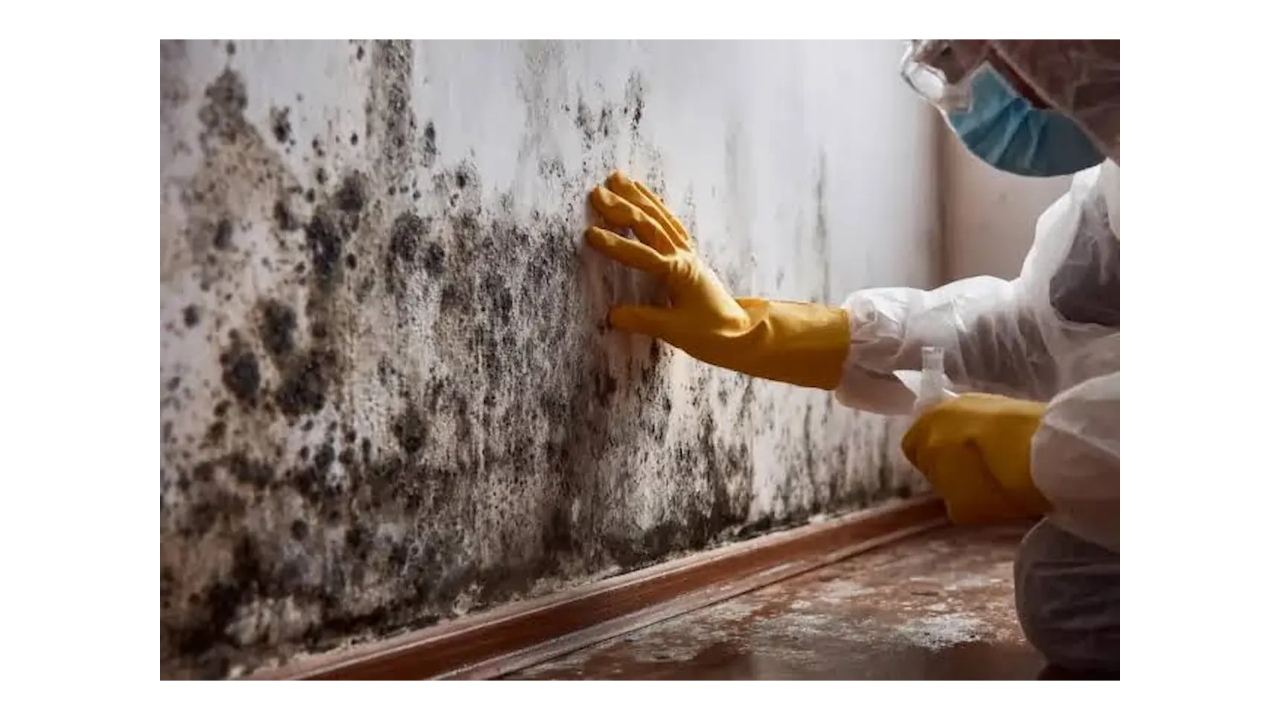
Hurricane season leaves more behind than downed trees and roof damage. In Florida's heat and humidity, water intrusion turns into a mold problem faster than most homeowners expect.
We work with mold professionals across Florida every day, and the pattern is always the same: the damage people can't see is the damage that ends up costing the most.
Why Mold Moves So Fast in Florida
Mold needs three things to establish itself — moisture, an organic food source, and warmth. After a hurricane, a Florida home provides all three at once. Drywall, insulation, wood framing, and carpet padding absorb water quickly, and our climate keeps indoor humidity high long after the storm has passed.
That's why mold can begin colonizing within 24 to 48 hours of water intrusion. Waiting even a few extra days for an adjuster or a contractor to show up can be the difference between a simple drying job and a full remediation project. We always advise clients to treat that first 48-hour window as the most important part of storm recovery.
The First 24 Hours: Safety Comes Before Cleanup
Before anyone touches standing water, safety has to come first. Floodwater from a hurricane is rarely clean — it can carry bacteria, chemicals, and debris, and electrical systems in flooded rooms present a real shock hazard.
Before starting any cleanup, we recommend homeowners:
- Turn off electricity to any flooded areas at the breaker, not just the switch
- Check for structural damage — sagging ceilings, warped floors, or cracked walls — before entering a room
- Wear gloves, a mask, and closed shoes when handling wet materials
- Photograph every affected area before moving or removing anything, for insurance purposes
Only after these checks should cleanup begin.
Steps to Take Before Water Damage Becomes Mold
Once it's safe to move around the property, speed matters more than anything else. We prioritize a strategy that focuses on removing moisture first and assessing damage second, because every hour of standing water increases the risk of mold spreading into materials that can't be dried in place.
Practical steps homeowners can take immediately include:
- Remove standing water with a wet/dry vacuum, pump, or mop
- Run fans and dehumidifiers to bring indoor humidity down
- Pull out soaked carpet, padding, or insulation that won't dry within 24–48 hours
- Move furniture away from wet walls and baseboards
- Open windows when weather allows to improve airflow through the home
These steps won't prevent every case of mold, but they buy time and reduce the scope of what comes next.
When DIY Ends and Licensed Remediation Begins
There's a clear line between water damage a homeowner can manage and a situation that requires a licensed professional. Small, recent water that's been fully dried within a day or two is usually manageable without outside help. Water that's been sitting for several days, spread behind walls, or already carries a musty odor has crossed that line.
In Florida, mold remediation is a licensed activity for a reason. Handling contaminated materials without proper training can spread spores into unaffected areas of the home, and it can also complicate an insurance claim if the work isn't documented correctly. We've seen firsthand how much smoother a claim moves when the assessment is handled by someone who understands both the science and the state's documentation requirements.
What a Licensed Mold Assessor Actually Checks For
A licensed mold assessor does more than confirm visible growth. Their job is to identify the full extent of moisture intrusion, including areas hidden behind walls, under flooring, or inside HVAC systems — the same spaces homeowners typically can't inspect on their own.
A proper post-storm assessment usually includes moisture mapping across affected rooms, air and surface sampling where warranted, and a written report outlining the scope of contamination. That report becomes the foundation for any remediation work that follows, and it's often what insurance adjusters rely on to approve a claim. We teach these exact procedures in our training, because an assessment that's incomplete or poorly documented can delay both remediation and reimbursement.
Insurance Documentation That Protects Your Claim
Storm-related mold claims are scrutinized closely, and the difference between an approved and denied claim often comes down to documentation. Homeowners should keep dated photos of all standing water and damage, retain receipts for any emergency mitigation work, and get a written assessment before remediation begins — not after.
It's also worth checking your policy directly, since coverage for mold varies significantly depending on the cause of the water intrusion. We've broken this down in more detail in our guide on whether homeowners insurance covers mold damage in Florida.
Why Choose Us
NIAQI trains the licensed professionals Florida homeowners rely on after storm season, so our guidance comes from the same standards we teach in the classroom.
- Courses built around real DBPR licensing requirements, not generic mold information
- Instructors with over 50 years of combined field experience in Florida's climate
- Hands-on training in moisture detection, sampling, and documentation
- A curriculum that prepares students for both assessment and remediation licensing
- Ongoing CEU support to keep licensed professionals current on state requirements
Frequently Asked Questions
How fast does mold grow after a hurricane in Florida?
Mold can begin developing within 24 to 48 hours of water intrusion in Florida's warm, humid climate, often before visible signs appear.
Can I clean up storm damage myself, or do I need a professional?
Small amounts of water that are fully dried within a day or two are usually manageable. Water that's been sitting for days or already smells musty should be handled by a licensed professional.
Does homeowners insurance cover mold after a hurricane?
Coverage depends on the cause of the water intrusion and your specific policy. Review our guide on mold and homeowners insurance in Florida for details.
What does a licensed mold assessor check that I can't?
A licensed assessor inspects hidden areas like wall cavities, subflooring, and HVAC systems, and documents findings in a report that supports both remediation and insurance claims.
Is mold remediation without a license illegal in Florida?
Yes. Florida requires a state license to perform mold remediation legally. Our guide on remediation without a license covers the risks and penalties in detail.
Conclusion
Hurricane season puts every Florida home at risk of mold, and the first 48 hours after water intrusion matter more than anything that follows. Acting fast, documenting everything, and knowing when to bring in a licensed professional protects both your health and your insurance claim. If you're considering a career helping Florida homeowners through exactly this kind of recovery, our mold license course is built for it.
Get mold industry news and updates from NIAQI.
Join our mailing list to receive the latest news and updates from our expert mold instructors.
Don't worry, your information will not be shared.
We hate SPAM. We will never sell your information, for any reason.

