
How to Write a Mold Remediation Protocol in Florida: Assessor Template and Checklist
Nov 02, 2026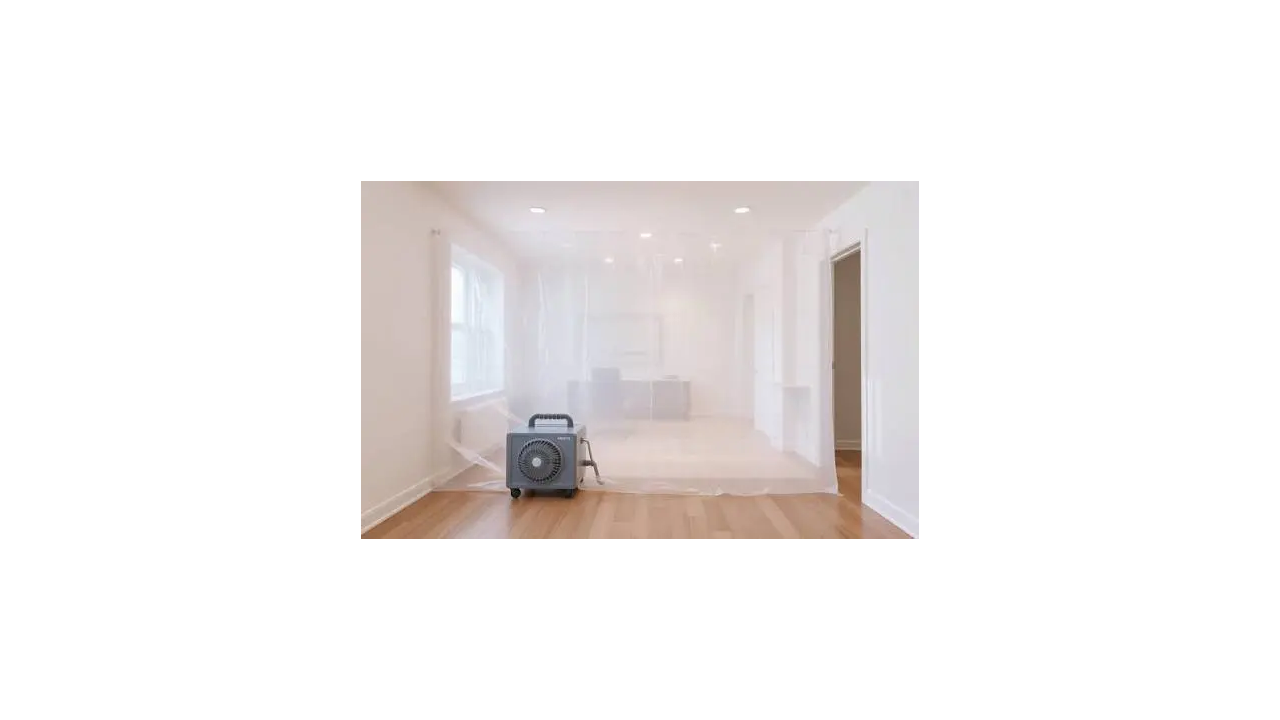
Quick answer: A mold remediation protocol is the written scope of work a licensed mold assessor prepares after an assessment. It tells the remediator what to remove, how to contain the work area, how to protect workers, how the moisture source will be corrected, and what conditions must be met before the job passes clearance. In Florida, developing the protocol is part of mold assessment, so it should come from an independent licensed assessor (MRSA), not from the company doing the removal.
What Florida Law Says, and What It Doesn’t
Florida regulates mold-related services under Chapter 468, Part XVI of the Florida Statutes. The statute defines mold assessment and remediation around mold growth larger than 10 square feet. It also prohibits an assessor, or the assessor’s company, from remediating a structure it assessed within the previous 12 months. If you’re unsure where that line falls, read our breakdown of the conflict-of-interest rule for assessors.
What Florida does not have is a mandated protocol format. The DBPR proposed detailed standards of practice for assessors and remediators, then withdrew them. In practice, Florida assessors build protocols on recognized industry references: the IICRC S520 standard, the EPA’s Mold Remediation in Schools and Commercial Buildings guide, and the New York City mold guidelines. A protocol that follows these references is easier to defend to clients, adjusters and attorneys.
Before you can sign one, you need an active Florida mold assessor license.
Florida Mold Remediation Protocol Template: 9 Sections
Use this structure as a starting point and adapt it to each project.
- Project information. Property address, client name, assessor name and MRSA license number, assessment date, and a reference to the full assessment report.
- Findings summary. Describe the moisture source, the affected rooms and materials, and the estimated square footage of growth. Summarize sampling results with the laboratory name and report number. NIAQI students can use the lab discounts for NIAQI students from our laboratory partners.
- Moisture correction. State what caused the water problem and that it must be corrected. Name which trade is responsible, since a roofer or plumber may need to act before or during remediation. The EPA treats fixing the water problem as a core step, because removing mold without stopping the moisture invites regrowth.
- Work areas and condition classification. List each area separately. Classify each one using IICRC S520 conditions:
- Condition 1: normal fungal ecology
- Condition 2: settled spores
- Condition 3: actual growth
- Containment and engineering controls. For each area, specify:
- the containment type
- critical barriers
- negative air pressure with HEPA-filtered air filtration devices
- how HVAC supply and return openings will be sealed
The EPA guide scales containment to the size of the affected area. Use it to justify what you specify.
- Worker protection. Set the minimum PPE for each area, including respiratory protection, gloves and eye protection. Remind the remediator that respirator use falls under OSHA’s respiratory protection standard (29 CFR 1910.134), which requires a written program and fit testing.
- Removal and cleaning by material. Separate porous materials (drywall, insulation, carpet pad) from semi-porous materials (wood framing) and non-porous materials (metal, glass). For each group, state the method: remove and discard, HEPA vacuum, damp wipe, or sand. Use measurable language, such as how far beyond visible growth to remove. Avoid open-ended phrases like “as needed.”
- Waste handling and contents. Explain how debris is bagged, sealed and carried out without crossing clean areas. Say how contents in the work zone will be cleaned, protected or moved.
- Clearance criteria. Define what “done” means before work starts:
- visual criteria (no visible growth, dust or debris)
- moisture readings that match a dry reference point
- sampling criteria, if sampling will be used
Post-remediation verification should be performed by an independent licensed assessor.
Close with the assessor’s signature, the date and the license number.
Assessor Checklist Before You Send the Protocol
- The moisture source is identified and a responsible party is named
- Every work area is listed with its condition and estimated square footage
- Containment, negative air and HVAC isolation are specified for each area
- PPE and respiratory requirements are stated
- Removal methods are written in measurable terms
- Clearance criteria are defined before work begins
- No cost estimates or remediation pricing appear in the document
- The document carries your license number and signature
Common Protocol Mistakes
The most frequent problem is vague language that leaves the scope open to interpretation. Other common mistakes:
- protocols that skip the moisture source entirely
- clearance criteria written after the work is finished
- documents that read like a remediation sales proposal
A licensed mold remediator should be able to read your protocol, write a work plan from it, and know exactly how the job will be judged.
Build Protocol-Writing Skills With NIAQI
Report writing is a core professional skill, and Florida treats it that way: two of the 14 required continuing education hours must cover report writing. NIAQI’s 3-day mold assessor and remediator course covers sampling interpretation, IICRC S520 references and remediation planning. Our 14-hour mold CE course keeps licensed professionals current at renewal.
If you’re ready to put these skills to work, see our guide on how to start a mold assessment business in Florida.
Get mold industry news and updates from NIAQI.
Join our mailing list to receive the latest news and updates from our expert mold instructors.
Don't worry, your information will not be shared.
We hate SPAM. We will never sell your information, for any reason.

