
Mold vs Mildew: What's the Difference and Why It Matters
Jul 23, 2026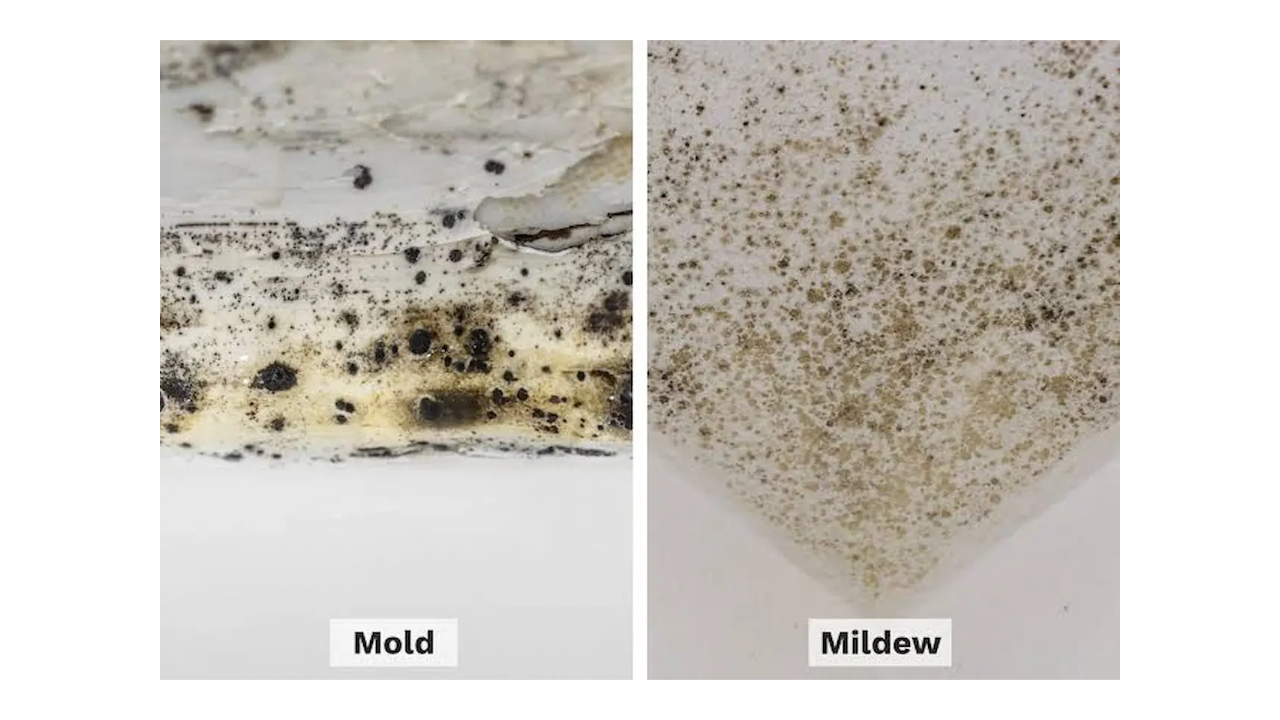
We get this question constantly from homeowners and new students alike: is it mold, or is it just mildew? The two look similar on the surface, and most people use the words interchangeably, but they are not the same thing.
In this guide, we break down exactly how to tell them apart, where each one grows, how they affect your health, and when it's time to call a professional instead of handling it yourself.
What Mildew Actually Is
Mildew is a surface-level fungus. It grows flat, usually appears white, gray, or light yellow, and stays on top of the surface it's growing on — think shower tiles, window sills, or damp fabric. It's often mistaken for early-stage mold because both love moisture and both thrive in warm, humid environments.
The key thing that separates mildew from mold is depth. Mildew doesn't dig into the material underneath it. It sits on the surface, feeding on moisture and organic residue, which is exactly why it responds so well to basic cleaning. We've inspected hundreds of properties where mildew was wiped off with a simple household cleaner and never came back, because it never penetrated the surface in the first place.
Mildew typically has a powdery or downy texture. Run a finger across it and it often smears or brushes away easily. It rarely produces a strong odor on its own, though in humid Florida bathrooms it can build up quickly enough to become noticeable within days.
What Mold Actually Is
Mold is a different story entirely. It grows in raised, fuzzy, or slimy patches, and it can appear black, green, blue, orange, or even white depending on the species. Unlike mildew, mold sends root-like structures called hyphae into the material it's growing on — drywall, wood framing, insulation, subflooring — which is why surface cleaning alone rarely solves the problem.
Mold also spreads through microscopic spores that travel through the air, which means a colony in one room can seed growth in another room entirely, especially if your HVAC system is circulating air through a contaminated duct. This is one of the reasons mold problems tend to escalate quickly in Florida's humidity, and why identifying the type matters just as much as identifying that mold is present at all.
If you're trying to identify a specific type in your home, our guide on what black mold looks like walks through the visual signs species by species, and our breakdown of white mold covers a type that's frequently confused with mildew because of its pale, powdery appearance.
Where Each One Tends to Grow
Mildew is almost always found in high-moisture, low-airflow areas: bathroom grout, shower curtains, window sills where condensation collects, and damp fabric like towels or upholstery. It rarely shows up inside wall cavities because it needs a surface it can sit on top of, not a porous material to grow into.
Mold, on the other hand, shows up wherever moisture has been sitting long enough to soak into a material. That includes behind walls after a slow leak, under carpet padding after flooding, inside HVAC ductwork, in attics with poor ventilation, and around window frames with failed seals. Our article on mold in attic spaces covers why attics are one of the most common — and most overlooked — locations for hidden growth in Florida homes.
Key Differences at a Glance
- Texture: mildew is flat and powdery; mold is raised, fuzzy, or slimy
- Depth: mildew stays on the surface; mold grows into the material itself
- Color: mildew is usually white, gray, or pale yellow; mold ranges across black, green, blue, and more
- Spread: mildew stays fairly localized; mold spreads through airborne spores
- Odor: mildew has little to no smell; mold often produces a persistent musty odor
- Removal: mildew often responds to surface cleaning; mold usually requires proper remediation
What Causes Each One to Grow
Both mold and mildew need the same three ingredients to grow: moisture, organic material to feed on, and a lack of airflow. The difference is usually a matter of degree and duration. A bathroom with poor ventilation and daily steam is a perfect setup for mildew. A slow roof leak that goes unnoticed for weeks creates the sustained moisture mold needs to take hold inside a wall cavity.
Florida's climate makes both problems more common than in drier states. High humidity, frequent storms, and air conditioning systems that create condensation all combine to give mold and mildew exactly what they need, often before a homeowner even realizes there's an issue. Our guide on categories of water damage is worth reviewing if you've had any recent leak or flooding event, since the category of water involved directly affects how quickly mold can develop.
Health Impact: Mildew vs Mold
Both mildew and mold can trigger allergy-type symptoms in sensitive individuals — sneezing, watery eyes, mild respiratory irritation. Mildew exposure is generally considered less serious because it stays on the surface and produces fewer airborne spores overall.
Mold is a different level of concern, particularly with prolonged exposure. Certain species can produce mycotoxins, and extended exposure has been linked to more serious respiratory and neurological symptoms in some individuals. Our article on warning signs of mold toxicity covers the specific symptoms worth paying attention to if you suspect ongoing exposure in your home. If you're dealing with mold in food rather than a building, our piece on what happens if you eat mold covers that specific concern separately.
How to Confirm What You're Actually Dealing With
Visual inspection gets you partway there, but it isn't always conclusive, especially with hidden growth behind walls, under flooring, or inside ductwork. Color and texture can help you make an educated guess, but they are not a substitute for testing when the growth is extensive or when it keeps returning after cleaning.
An ERMI mold test gives a lab-verified reading of mold levels and species present in your home, which takes the guesswork out of the equation entirely. This is particularly useful if someone in the household is experiencing ongoing symptoms and you need a definitive answer before deciding on next steps.
DIY Cleaning vs Professional Remediation
For mildew, DIY cleaning is usually appropriate. A mixture of water and a household cleaner, applied with a scrub brush and good ventilation, will typically clear surface mildew in bathrooms, on window sills, or on washable fabric. The key afterward is addressing the moisture source — running a fan, opening a window, or fixing a ventilation issue — so it doesn't come right back.
Mold is where the decision gets more serious. Small, isolated mold spots on non-porous surfaces, like a small patch on a tile grout line, can sometimes be cleaned with the right product and proper protective equipment. But mold on porous materials — drywall, wood, carpet, insulation — usually cannot be fully removed through surface cleaning, because the growth has already spread into the material itself.
At that point, the safest move is bringing in a certified mold specialist who can assess the extent of the damage and recommend the right mold remediation process for your specific situation. This typically involves containment to prevent spores from spreading to unaffected areas, removal of contaminated material, and treatment of the surrounding area before repairs begin.
If the mold is on a specific material, we also have targeted guides that walk through safe removal methods, including how to get mold out of carpet, removing mold from wood, and how to get mold out of your car — all useful if you're dealing with a contained, smaller-scale issue rather than a structural one.
Prevention: Keeping Both Out of Your Home
Prevention comes down to controlling moisture and airflow, the same two factors that cause both problems in the first place. Run exhaust fans during and after showers. Fix leaks as soon as you notice them rather than waiting. Keep indoor humidity below 60 percent where possible, especially in Florida's climate. Check attics and crawl spaces periodically for signs of moisture buildup, since these areas often go unchecked for months at a time.
Understanding how long it takes for mold to grow is useful context here — in the right conditions, mold can begin developing within 24 to 48 hours of sustained moisture exposure, which is a much shorter window than most homeowners assume.
Conclusion
Mildew and mold may look alike at first glance, but they behave very differently once they take hold. Mildew is a surface nuisance that usually cleans up with basic effort. Mold is a structural and health concern that often requires professional assessment and remediation. Knowing which one you're facing determines whether a simple wipe-down will work or whether you need to bring in a professional. When in doubt, get it tested before you treat it.
Why Choose NIAQI
We train the professionals who identify and remediate mold problems across Florida every day, which means our guidance comes from real fieldwork, not guesswork.
- Instructors with decades of combined hands-on IAQ experience
- State-approved training for mold assessors and remediators
- Practical, field-tested identification and remediation methods
- Course materials built to serve as an ongoing professional reference
- Direct pathway to earning your Florida mold assessor license
FAQ
Can mildew turn into mold if left untreated?
Mildew itself doesn't become mold, but the same moisture conditions that allow mildew to grow can also create the environment mold needs to develop nearby.
Is mildew dangerous to breathe?
Mildew can trigger allergy symptoms in sensitive individuals, but it's generally considered less harmful than prolonged mold exposure.
Can I remove mold myself?
Small, surface-level mold on non-porous materials can sometimes be cleaned safely with the right precautions, but mold on porous materials like drywall or carpet usually requires professional remediation.
How do I know if I need a mold test?
If you notice recurring growth, a persistent musty odor, or ongoing health symptoms indoors, an ERMI mold test can confirm what's actually present.
Who should I call for a mold problem in Florida?
A licensed mold assessor should inspect the property first, followed by a licensed remediator if mold is confirmed — both roles are covered in our NIAQI mold certification course.
Get mold industry news and updates from NIAQI.
Join our mailing list to receive the latest news and updates from our expert mold instructors.
Don't worry, your information will not be shared.
We hate SPAM. We will never sell your information, for any reason.

