
What Is Post-Remediation Verification in Florida, and Who Is Allowed to Do It?
Nov 02, 2026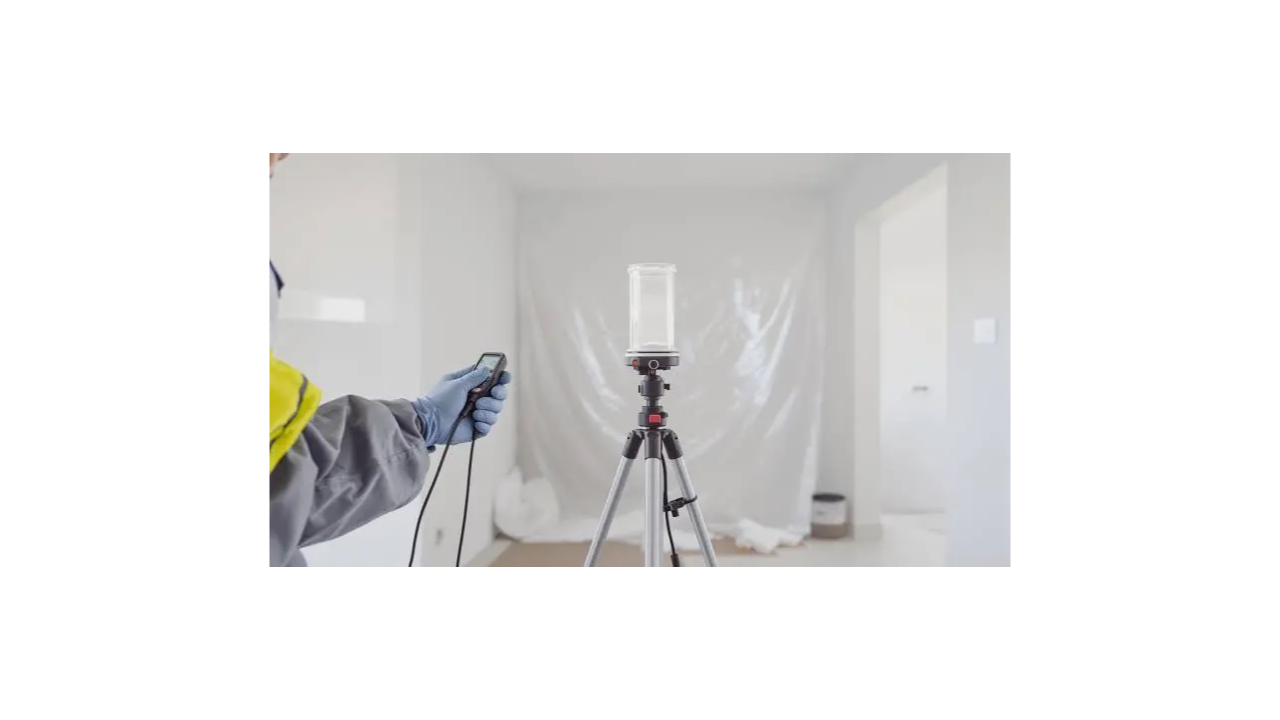
Quick Answer: Post-remediation verification (PRV) is the independent inspection done after mold remediation. It confirms the work area is back to normal before containment comes down and rebuilding starts. In Florida, PRV is a form of mold assessment. It should be performed by a licensed mold assessor who did not do the remediation.
A mold remediation job is not finished when the crew packs up. It is finished when someone independent confirms the work met the goals set before the job began. That final step is post-remediation verification, often called clearance testing. In Florida, the law partly decides who is allowed to perform it.
What Post-Remediation Verification Means
PRV is the final quality check on a remediation project. Most Florida professionals follow the IICRC S520 Standard for Professional Mold Remediation. S520 describes the goal as returning affected areas to “Condition 1,” meaning normal fungal ecology for that environment. The standard recommends that an independent indoor environmental professional perform verification and document the criteria used.
Each party gets something different from PRV:
- Property owners: proof that the money spent on remediation solved the problem.
- Remediators: a documented pass that protects them if questions come up later.
- Buyers and adjusters: the clearance report becomes part of the property’s paper trail.
What a PRV Typically Includes
Methods vary by project. A thorough verification usually combines:
- A visual inspection of the work area for remaining growth, dust and debris
- Moisture readings on framing and substrates, to confirm the water source was fixed and materials are dry
- Sampling when the protocol calls for it, such as air samples compared with outdoor or unaffected reference areas, or surface samples
- A written report stating whether the area passed against criteria agreed on in advance
The last point matters most. Pass/fail criteria should be set before remediation begins, usually in the assessor’s remediation protocol. Criteria decided after the results come in invite disputes. Writing a clear protocol is a core skill for anyone pursuing a Florida mold assessor license.
Who Is Allowed to Perform PRV in Florida
Florida’s mold statute is Chapter 468, Part XVI. It defines mold assessment as evaluating the origin, identity, location and extent of mold growth greater than 10 square feet. Verifying a remediated area is an assessment activity. For projects above that threshold, the work belongs to a licensed Mold-Related Services Assessor (MRSA).
Florida’s insurance statute supports this. Assessors must carry at least $1 million in general liability and errors and omissions coverage, and that coverage must apply to both preliminary and post-remediation assessment. Before hiring anyone, owners can run a quick Florida mold license lookup to confirm the license is active.
Who Cannot Do It: Florida’s 12-Month Rule
Section 468.8419 of the Florida Statutes keeps the two roles separate.
- Remediators: a licensed remediator may not perform or offer an assessment on a structure where they or their company did remediation in the last 12 months. In plain terms, a remediation company cannot clear its own job.
- Assessors: an assessor may not remediate a structure they or their company assessed in the past 12 months.
- Referral payments: the statute also bars referral payments between assessors and remediators.
Holding both licenses does not remove these limits. You still choose one role per project. We explain this in more detail in Can a Mold Assessor Do Remediation in Florida?
What Florida Law Does Not Spell Out
Florida does not set statewide numeric clearance limits. The Department of Business and Professional Regulation (DBPR) once proposed minimum standards of practice for assessors and remediators, Rules 61-31.701 and 61-31.702, which included post-verification criteria. DBPR later withdrew those rules.
In practice, assessors rely on published standards such as IICRC S520 and on their professional judgment. That is why the protocol and the assessor’s training matter so much. The full licensing rules are on our license requirements page.
How Property Owners Can Protect Themselves
- Hire the assessor directly, not through the remediation company.
- Ask for the clearance criteria in writing before work starts.
- Schedule verification before containment comes down and walls are closed.
- Keep the full file: assessment, protocol, remediation records and clearance report.
Learn Post-Remediation Verification the Right Way with NIAQI
Clearance decisions carry real professional liability, so the training behind them matters. NIAQI’s 3-day Florida mold course covers sampling methodology and interpretation, building science, and remediation and prevention. These are the skills that make a verification defensible. Already licensed? Our 14-hour mold CEU course keeps your renewal on schedule.
Frequently Asked Questions
Can my remediation company do its own clearance test?
Not in Florida if it performed the remediation within the past 12 months. The statute bars remediators from assessing structures they recently remediated.
Who sets the pass/fail criteria for PRV?
The licensed assessor, ideally in the written remediation protocol before work begins.
Does Florida require a specific clearance test method?
No. State law does not prescribe a method or numeric limits. Assessors commonly follow IICRC S520 and their own written protocol.
Get mold industry news and updates from NIAQI.
Join our mailing list to receive the latest news and updates from our expert mold instructors.
Don't worry, your information will not be shared.
We hate SPAM. We will never sell your information, for any reason.

