
What Happens If You Eat Mold? Symptoms, Risks, and What to Do Next
Jun 20, 2023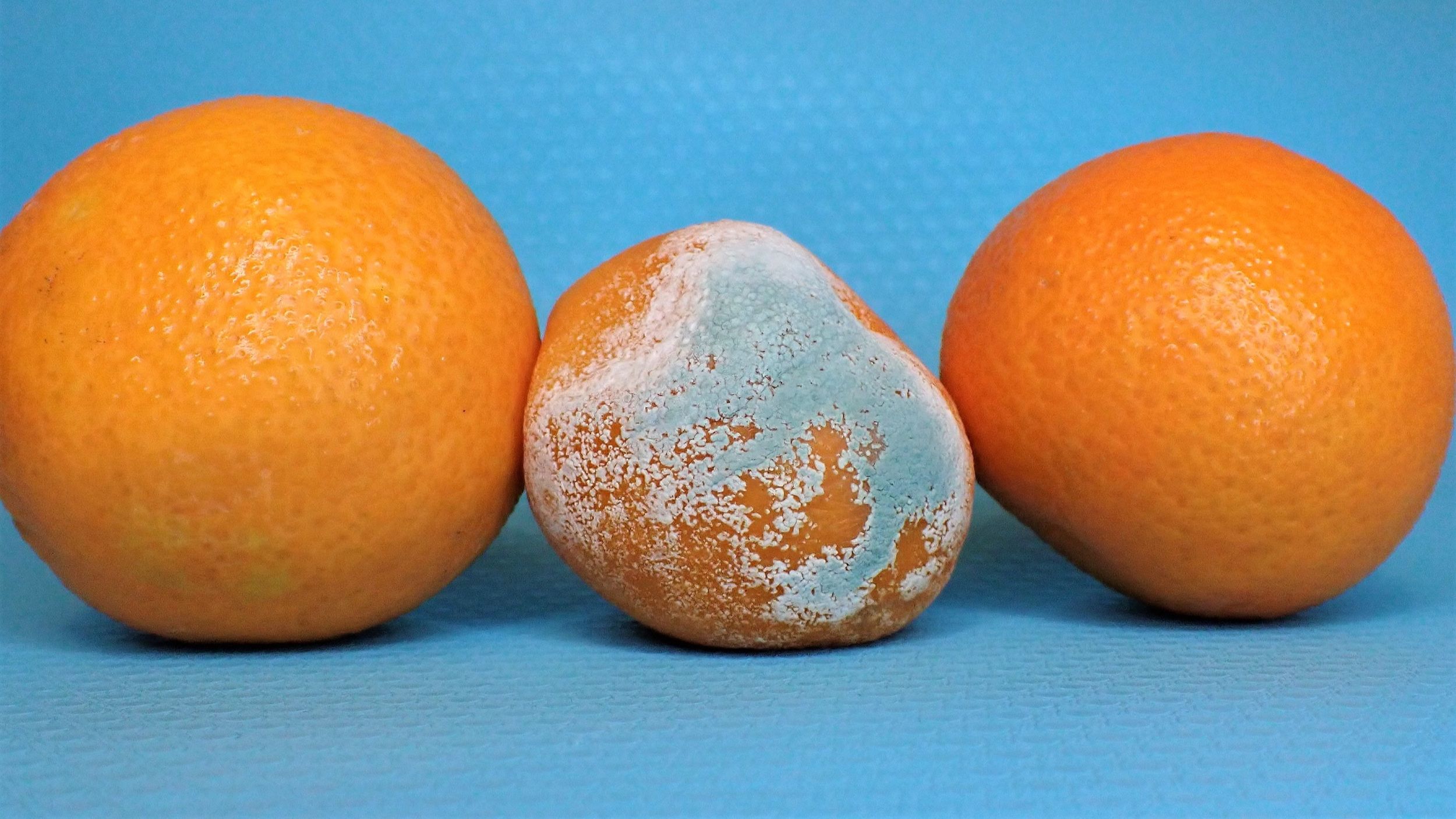
Mold grows quickly, spreads silently, and often goes unnoticed until it’s already affected your food. Many people have accidentally eaten mold at some point whether it’s a bite of bread, fruit, or leftovers and then wondered if they should be worried.
The reality is that eating mold isn’t always dangerous, but it’s not something you should ignore either. The effects depend on several factors, including the type of mold, the amount consumed, and your individual sensitivity. If you understand how long does it takes for mold to grow, you’ll realize just how quickly food can become unsafe without obvious signs.
Why Moldy Food Is More Complicated Than It Looks
Not all mold is harmful, but the problem is you usually can’t tell which type you’re dealing with. Some molds are intentionally used in food production, like certain cheeses. However, the mold growing on everyday food is unpredictable and potentially unsafe.
Mold doesn’t just sit on the surface. It develops root-like structures called hyphae that penetrate deep into food, especially soft items. This means what you see is often just a small portion of the contamination.
In many cases, household mold may resemble types like white mold or even darker, more toxic variations. Some of these molds produce mycotoxins harmful substances that can affect your digestive system and overall health.
How to Tell If Your Food Has Mold
Recognizing mold early can prevent accidental ingestion. While some signs are obvious, others are subtle and easy to miss.
Key signs to watch for:
- Unusual spots in colors like green, black, white, or gray
- Fuzzy or powdery texture on the surface
- A musty or sour smell
- Soft, mushy, or slimy consistency
- Visible discoloration spreading over time
If you’re unsure about what you’re seeing, learning what does black mold look like can help you identify more serious contamination.
Even if only a small area looks affected, the safest approach is usually to discard the entire item especially for soft foods.
What Happens in Your Body After Eating Mold?
When you eat mold, your body reacts based on the type and amount consumed. In many cases, the immune system handles it without major issues. However, certain molds can trigger noticeable symptoms.
Common symptoms include:
- Nausea or vomiting
- Stomach discomfort
- Diarrhea
- Bloating and gas
- Mild food poisoning-like symptoms
These symptoms can appear within a few hours or take longer depending on your sensitivity.
In more serious cases, exposure to toxic mold can contribute to symptoms similar to the 10 warning signs of mold toxicity, especially if exposure happens repeatedly.
Allergic Reactions and Higher-Risk Groups
Some people are more sensitive to mold than others. If you have allergies, asthma, or a weakened immune system, your body may react more strongly.
Possible allergic reactions:
- Sneezing or coughing
- Itchy or watery eyes
- Skin irritation or rashes
- Nasal congestion
- Difficulty breathing (in severe cases)
For these individuals, even small amounts of mold can cause noticeable discomfort. If breathing becomes difficult, medical attention should be sought immediately.
Can You Cut Mold Off Food and Still Eat It?
This is one of the most common questions and the answer depends on the type of food.
Generally safe (with caution):
- Hard cheeses
- Firm vegetables like carrots or cabbage
In these cases, you can cut at least one inch around the moldy area.
Not safe discard completely:
- Bread
- Soft fruits (berries, peaches)
- Yogurt and soft cheeses
- Cooked leftovers
- Deli meats
Mold spreads much deeper in soft foods, even if you can’t see it. This is similar to how mold spreads in materials like wood, which is why proper techniques are needed to remove mold from wood effectively.
How to Prevent Mold Growth on Food
Preventing mold is far easier than dealing with it after it appears. Small changes in storage and handling can significantly reduce your risk.
Practical prevention tips:
- Store food in airtight containers
- Keep your refrigerator at or below 4°C (40°F)
- Avoid leaving cooked food at room temperature too long
- Buy only what you can consume within a few days
- Clean your fridge and kitchen surfaces regularly
- Dry produce before storing to reduce moisture
- Check food frequently for early signs of spoilage
Mold spores can travel easily and settle in your environment. Learning how to detect mold in your home can help you prevent contamination beyond just food.
What Should You Do If You’ve Already Eaten Mold?
If you realize you’ve eaten mold, the most important thing is to stay calm and assess the situation.
Immediate steps to take:
- Don’t panic small exposure is often harmless
- Monitor your body for symptoms
- Drink water to stay hydrated
- Avoid eating more of the same food
- Rest if you feel discomfort
When to seek medical help:
- Symptoms last longer than 24 hours
- Severe vomiting or diarrhea occurs
- Breathing difficulties develop
- You have a weakened immune system
- You are pregnant or highly sensitive to mold
If mold exposure is happening frequently, it may not just be food-related. In some cases, environmental sources require attention, similar to situations involving the process of mold remediation.
FAQs About Eating Mold
1. Is it dangerous to eat a small amount of mold?
In most cases, no. Healthy individuals usually experience little to no effect. However, reactions can vary depending on sensitivity.
2. Can cooking kill mold?
Cooking may kill mold spores, but it does not eliminate harmful toxins. Heating moldy food does not make it safe.
3. What are mycotoxins?
Mycotoxins are toxic substances produced by certain molds. They can cause digestive issues and other health problems, especially with repeated exposure.
4. How long after eating mold do symptoms appear?
Symptoms can appear within a few hours or may take up to a day, depending on the amount consumed and your body’s response.
5. Can mold grow in places other than food?
Yes, mold can grow in homes, cars, and HVAC systems. For example, confined spaces often require specific solutions like how to get mold out of your car.
6. Should I induce vomiting after eating mold?
No. Do not force vomiting. Let your body respond naturally unless advised otherwise by a medical professional.
7. Are children more at risk from mold exposure?
Yes, children, elderly individuals, and those with weak immune systems are generally more sensitive to mold.
Final Thoughts
Accidentally eating mold is more common than most people think, and in many cases, it doesn’t lead to serious harm. However, that doesn’t mean it should be ignored. Understanding how mold grows, how it affects your body, and how to prevent it can make a significant difference in your overall health.
Whether you're dealing with food contamination or larger environmental concerns, having the right knowledge is essential. For those looking to go deeper or even build expertise in this field, becoming a mold specialist or understanding do you need license to remove mold florida can open the door to professional opportunities.
Get mold industry news and updates from NIAQI.
Join our mailing list to receive the latest news and updates from our expert mold instructors.
Don't worry, your information will not be shared.
We hate SPAM. We will never sell your information, for any reason.

