
Mold in a Florida Condo: Who Pays, the Association or the Unit Owner?
Nov 02, 2026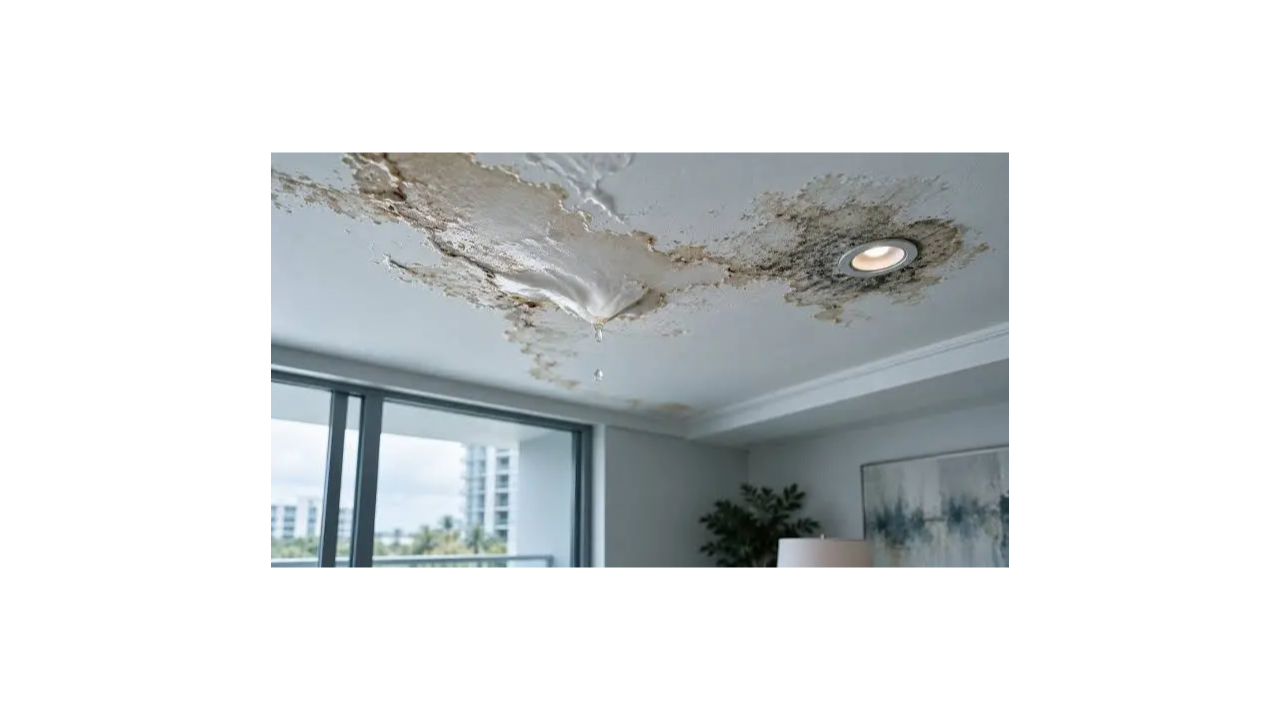
Quick Answer: In a Florida condominium, responsibility for mold usually follows the water. If the moisture came from a common element, such as the roof, an exterior wall or a shared pipe, the association generally repairs the source and the damaged structure. Interior finishes and personal property usually fall to the unit owner. An owner whose negligence caused the leak can be held liable for costs insurance doesn’t cover.
Florida condos stack dozens of households under one roof. That means a single failed pipe or roof seam can send water through several units. When mold follows, the first question is almost always the same: who pays to fix it? The answer depends on three things: where the moisture started, what the declaration of condominium says, and whether anyone was negligent.
What Florida Law Says About Condo Mold Responsibility
Two sections of Florida’s Condominium Act, Chapter 718, do most of the work here.
Maintenance of common elements:
- Section 718.113(1) makes the association responsible for maintaining the common elements.
- Limited common elements, such as a balcony or an AC unit serving one condo, are also the association’s responsibility by default, unless the declaration assigns them to the owner.
Insurance split (Section 718.111(11)):
- The association’s insurance must exclude personal property inside the unit.
- It must also exclude floor, wall and ceiling coverings, electrical fixtures, appliances, water heaters, water filters, built-in cabinets, countertops and window treatments.
- Those items are the unit owner’s to insure and repair.
- Florida attorneys note that this statutory split controls even when an older declaration says something different.
When the Condo Association Usually Pays
Mold that traces back to a common-element failure generally lands on the association. Common examples include:
- Roof leaks and failed exterior waterproofing
- Window or wall failures the association is responsible for maintaining
- Leaks from shared plumbing stacks inside common walls
- Building-wide HVAC or condensate lines classified as common elements
In these cases the association typically fixes the source and handles structural repairs. Florida condo attorneys have pointed out that after a leak from the roof, an exterior wall or an upstairs unit, the association must remove and replace mold-damaged drywall.
The owner’s flooring, cabinets and belongings, however, still go through the owner’s own HO-6 policy.
When the Unit Owner Usually Pays
Owners are responsible for the interior items listed in Section 718.111(11), even when the water came from elsewhere.
Negligence changes the picture further. Under Section 718.111(11)(j), an owner who causes damage through intentional acts, negligence or rule violations is liable for repair costs that insurance doesn’t pay. Typical examples include:
- Ignoring a slowly leaking water heater
- Letting your own unit’s AC condensate line clog. If you’re unsure what that looks like, read our guide on mold in an air conditioner.
- Leaving a sealed unit without humidity control for months
What If the Mold Came From the Unit Above You?
This is one of the most common condo disputes in Florida.
If the upstairs neighbor did nothing wrong: Florida attorneys explain that interior damage in your unit generally stays your responsibility, and you file a claim with your own unit-owner insurer.
If the upstairs owner ignored a known, foreseeable problem: Section 718.111(11)(j)(1) can make that owner liable for damage to your unit and to common property. Your insurer may also pursue the responsible party after paying your claim, a process called subrogation.
Renters have different rules. Our article on Florida landlord-tenant mold law covers that situation.
Steps to Take When You Find Mold in Your Condo
- Report it in writing. Notify the association or property manager with dated photos. Written notice creates a record if responsibility is disputed later.
- Stop the water if you can. Shut off the supply valve for a leaking appliance and document what you did.
- Notify your HO-6 insurer promptly. Late notice can complicate a claim.
- Get a professional assessment. Florida law defines mold assessment and mold remediation as work involving more than 10 square feet of mold growth. Work at that scale requires a licensed mold assessor and a licensed mold remediator. Before hiring, take two minutes to verify an MRSA or MRSR license on the DBPR database. It also helps to understand why the assessor and remediator roles stay separate on the same job.
- Read your declaration. It may assign limited common elements, such as your AC unit or balcony, to you.
- Talk to a condo attorney if the association or a neighbor disputes responsibility.
Why the Moisture Source Decides Most Disputes
Almost every condo mold dispute comes down to one fact: where did the water come from?
An independent assessment report that traces the moisture path, documents readings and maps affected materials is often the strongest evidence any party has. It also matters later. If you sell the unit, Florida’s mold disclosure rules when selling a house make that documentation valuable again.
At NIAQI, our instructors train Florida assessors and remediators to trace moisture to its source, document it in a defensible report, and stay within state standards of practice. If you work with condos, associations or property managers, our Florida mold assessor and remediator course builds the skills these disputes demand.
This article is for general information only and is not legal advice. Condo documents vary, so consult a Florida attorney about your specific situation.
Get mold industry news and updates from NIAQI.
Join our mailing list to receive the latest news and updates from our expert mold instructors.
Don't worry, your information will not be shared.
We hate SPAM. We will never sell your information, for any reason.

