
Mold in Air Conditioner in Florida: Signs, Causes & Fixes
Sep 06, 2026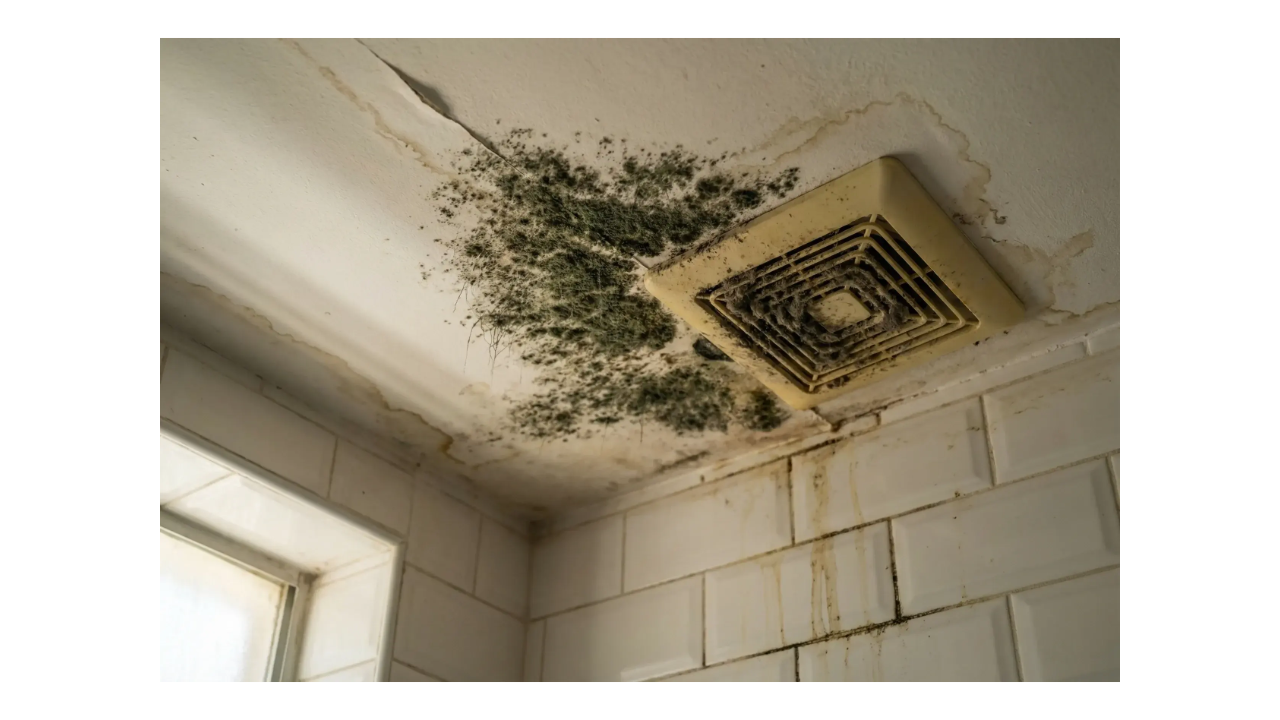
Mold in an air conditioner is one of the most common indoor air quality problems we encounter in Florida homes. It grows inside the equipment first, then spreads through the supply air to every room in the house.
Most homeowners assume the smell is coming from a wall or a carpet. In our field experience, the source is far more often the cooling system itself, and it stays hidden until someone opens the air handler.
Why Florida AC Systems Grow Mold Faster Than Anywhere Else
Florida gives mold everything it needs inside a cooling system. Outdoor relative humidity sits above 70% for most of the year, so the equipment runs long cycles almost every month instead of a seasonal three or four.
Every one of those cycles pulls warm, moisture-heavy air across a cold evaporator coil. Water condenses on that coil by design. The coil stays wet, dust and organic debris collect on the fins, and mold in an air conditioner has a food source and a water source in the same six inches of space.
Short-cycling makes it worse. When a system is oversized, it cools the thermostat quickly and shuts off before it has removed enough moisture. The house hits temperature but stays humid, and standing water sits in the drain pan between cycles instead of draining out.
6 Signs Mold Is in Your AC, Not Your Walls
We teach students to separate equipment-based growth from building-based growth early, because the two require different scopes of work. These signs point to the system:
- The odor appears when the unit turns on and fades when it stops. This is the clearest indicator. Wall and floor growth produces a constant smell, not a cycled one.
- The AC smells musty at every register, not in one room. Distributed odor means distributed air.
- Visible dark specks or streaking on the register grilles or the diffuser blades. Black mold in air vents usually shows at the edges where airflow slows.
- Symptoms improve when occupants leave the house and return within hours of coming home. Congestion, eye irritation, and headaches that follow the schedule of the building point to the air supply.
- Water staining on the ceiling directly below the air handler or around the closet base. A backed-up condensate line has already overflowed at least once.
- Dust accumulating on furniture faster than normal. Compromised duct runs pull unconditioned attic air into the system.
If the odor is strongest in one room and does not change with the thermostat, the source is likely the structure, and our guide on how to detect mold in your home is the better starting point.
The Four Failure Points Behind Mold in an AC Unit in Florida
We have opened enough air handlers to say that nearly every case traces back to one of four places.
The evaporator coil. Fins stay wet through the cooling season. When the filter is undersized or has been left in place too long, dust bypasses it and packs into the coil face. That layer holds moisture between cycles and becomes the primary growth surface.
The drain pan. The pan is supposed to empty completely. Any slope error during installation, or any sag that develops later, leaves standing water sitting under the coil permanently.
A clogged condensate line. This is the single most frequent cause we document in Florida. Biofilm builds inside the PVC, the line stops draining, the pan overflows, and water reaches the platform, the closet drywall, and the ceiling below.
Uninsulated or damaged duct runs. Attic temperatures in Florida routinely exceed 130°F. When a supply duct loses insulation or a joint separates, the cold surface meets hot humid air and condenses. Mold in air ducts almost always begins as a condensation problem, not a dirt problem.
Why Cleaning the Vents Does Not Fix It
Cleaning the register grilles removes what you can see and none of what matters. The grille is the last surface the air touches before it enters the room. Growth on the coil, in the pan, or inside the duct board sits upstream and keeps producing.
We always advise clients to treat vent cleaning as cosmetic. Fogging or spraying a biocide through the system has the same limitation: it does not remove the organic debris the growth is feeding on, and it does not correct the moisture condition that created it. Remove the water source, remove the material, then verify. That order does not change.
When DIY Stops and a Licensed Assessor Starts
Replacing a filter, clearing a condensate line, and correcting a thermostat fan setting are reasonable homeowner tasks. Beyond that, Florida law and practical liability both draw a line.
Bring in a licensed professional when growth extends past the register, when the affected area exceeds roughly 10 square feet, when the drain pan has overflowed into the building, when anyone in the home is immunocompromised, or when the problem returns after a cleaning. If you are seeing physical symptoms alongside the odor, our breakdown of mold exposure symptoms covers what to watch for.
Florida licenses mold assessment and mold remediation as separate credentials for a reason. The person who diagnoses the problem should not be the person selling you the removal. That separation protects you.
What a Proper HVAC-Related Mold Assessment Includes
A defensible assessment goes well past a visual walkthrough. We build our HVAC module around what an assessor must actually document:
- Moisture mapping of the air handler closet, platform, and ceiling assembly below
- Direct inspection of the evaporator coil, drain pan, and condensate line — not just the accessible cabinet exterior
- Temperature and relative humidity readings at supply and return, plus dew point analysis on duct surfaces
- Air and surface sampling with a defined control, interpreted against outdoor baseline
- Static pressure and airflow review to identify oversizing or restriction
- A written remediation protocol with a scope, a containment plan, and clearance criteria
Anything less produces a report a remediator cannot work from and an insurer will not accept.
Prevention: Filter Schedule, Humidity Targets, Drain Line Maintenance
Prevention is inexpensive compared to remediation. Change filters every 30 to 60 days in Florida rather than the 90 days printed on the packaging, and match the filter to the return opening so air cannot bypass it.
Hold indoor relative humidity between 45% and 55%. Above 60%, growth becomes likely regardless of how clean the equipment is. Run the fan on AUTO, not ON, so the coil has time to dry between cycles.
Flush the condensate line with warm water at the start and midpoint of every cooling season, and confirm the drain pan empties fully. Have the coil and pan inspected annually, and verify duct insulation after any attic work.
Conclusion
Mold in an air conditioner is a moisture problem wearing a mechanical disguise. Correct the water source, remove the contaminated material, and verify the result. Cleaning the visible surfaces alone guarantees the problem returns. If the odor cycles with the system or growth is spreading past the registers, bring in a licensed assessor before you pay anyone to remove anything.
Why Choose NIAQI
We are a Florida DBPR-accredited course provider training the assessors and remediators who handle these systems every day.
- Instructors with over 50 years of combined experience in building forensics, indoor air quality, and ventilation
- A dedicated HVAC module covering coil, condensate, and duct-related growth in Florida conditions
- Hands-on demonstrations with the same instruments used in the field
- State-approved exams for both the MRSA and MRSR credentials
- Continuing education that keeps your license current with the DBPR
Ready to work on these systems professionally? Start with our Florida mold assessor license course.
Frequently Asked Questions
How do I know if there is mold in my air conditioner?
Mold in an air conditioner usually announces itself through odor that starts when the system cycles on and fades when it shuts off. Dark specks on the register grilles, ceiling staining below the air handler, and symptoms that improve when you leave the house support the same conclusion.
Is black mold in air vents dangerous?
Any growth distributed through your supply air deserves attention, though colour alone does not determine risk. Have it identified through sampling rather than by appearance, because several common species look identical at the grille.
Can I remove mold in an AC unit in Florida myself?
You can change the filter, clear the condensate line, and clean an accessible grille. Growth on the coil, inside the drain pan, or within the duct board requires a licensed professional, particularly once it exceeds roughly 10 square feet.
Why does my AC smell musty even after a cleaning?
Because the cleaning removed the growth and not the water. A wet coil, a sagging drain pan, or an uninsulated duct will rebuild the same condition within weeks.
Who is licensed to inspect mold in air ducts in Florida?
A licensed Mold Assessor (MRSA) performs the inspection, sampling, and protocol. A licensed Mold Remediator (MRSR) performs the removal. The state keeps the two roles separate, and our Florida mold remediation license page explains that credential in detail.
Get mold industry news and updates from NIAQI.
Join our mailing list to receive the latest news and updates from our expert mold instructors.
Don't worry, your information will not be shared.
We hate SPAM. We will never sell your information, for any reason.

