
How to Become a Mold Remediation Specialist: What It Really Takes
Jun 06, 2026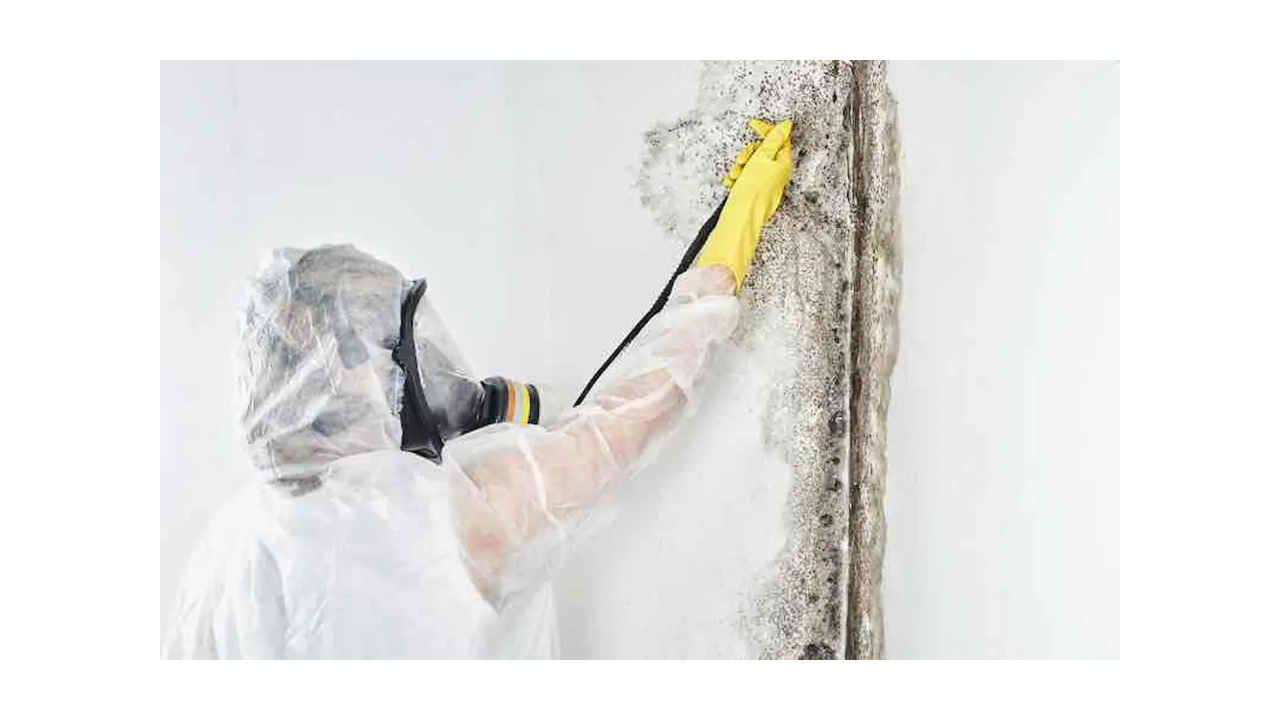
When someone asks how to become a mold remediation specialist, the first answer most people give is "take a course and pass the exam." That's not wrong. But it's not the full picture either.
Becoming a mold remediation specialist in Florida means understanding the licensing requirements, knowing what the training actually covers, and being clear on what this career path looks like once you're certified and working. At NIAQI, we've trained hundreds of students who went on to build careers and businesses in the Indoor Air Quality industry. Here's what you actually need to know before you start.
Why This Career Path Is Worth Taking Seriously
Mold remediation is not a casual trade. Florida's climate makes it one of the most mold-affected states in the country. Humidity, flooding, and aging housing stock mean consistent demand for qualified professionals who can identify, document, and remediate mold problems correctly.
That demand is not going away. And because the state requires a license to perform this work professionally, the barrier to entry filters out the competition and protects the value of your credential.
A mold remediation specialist is often:
Called in after water damage events, hurricanes, or flooding Required by insurance companies before claims are settled Trusted by homeowners, landlords, and property managers who need documentation Operating in a field where errors have real health consequences for occupants
That means the training matters. Getting it right is not optional.
Step 1: Understand What the Florida License Actually Requires
Florida requires anyone performing mold-related work professionally to hold a state-issued license. There are two license types: Mold Assessor and Mold Remediation. They serve different functions, and understanding the difference is the first decision you'll make.
The mold assessor license florida allows you to inspect properties, collect samples, and produce reports documenting the presence and extent of mold. The Mold Remediation License allows you to physically remove and remediate mold from structures.
Many professionals pursue both at the same time, which is the most practical approach if you want to operate a full-service business.
To qualify for either license, you must complete state-approved training and pass the state exam. NIAQI's course satisfies both requirements in a three-day format. You can review the full Florida mold license requirements before enrolling to confirm your eligibility.
Step 2: Choose the Right Training Program
Not every mold course prepares you equally. Florida requires state-approved training, which narrows your options. But beyond approval status, the quality of instruction and the depth of curriculum vary significantly between providers.
When evaluating a program, here's what to look for:
State approval status: The course must be approved by Florida to qualify toward your license. Instructor experience: Field experience in the classroom is not the same as academic knowledge alone. Curriculum depth: Training should cover moisture science, building forensics, HVAC, sampling methodology, health and safety, and remediation protocols, not just mold basics. Exam preparation: The state exam is not trivial. A good course prepares you specifically for what's tested.
NIAQI's instructors bring over 50 years of combined experience in the IAQ industry. The NIAQI Course and Certification is structured to give you both the license-qualifying education and the practical knowledge to work confidently in the field from day one.
Step 3: Know What the Training Covers
This is where many candidates underestimate the depth of the profession. A serious mold remediation course covers far more than how to apply a biocide and bag up debris.
At NIAQI, the curriculum includes:
Introduction to the IAQ industry and professional standards Understanding moisture and how it drives mold growth Drying strategies and building science fundamentals Microbial science and Indoor Air Quality principles Sampling methodology and laboratory result interpretation Chemicals, toxicity, and health and safety protocols HVAC systems and their role in mold distribution Remediation planning, execution, and prevention
This is the foundation of competent work in the field. It's also what separates a licensed specialist from someone who removes visible mold without understanding the underlying cause.
Step 4: Pass the State Exam
After completing your approved training, you sit for the Florida state exam. The exam is proctored and tests your knowledge across the subject areas covered in your training.
What to watch for:
The exam is not open book. You need to retain and apply what you learned in the classroom. NIAQI's Day 3 format includes hands-on instruction and a final review session before the exam, specifically designed to reinforce the material you'll be tested on. Passing on the first attempt matters practically. Retakes add time and cost to your path to licensure.
Candidates who treat the training seriously consistently outperform those who approach it casually. Three days of focused engagement is a reasonable investment for a credential that unlocks years of professional work.
Step 5: Apply for Your Florida Mold License
Once you've passed the exam, you apply for your license through the Florida Department of Business and Professional Regulation (DBPR). Your training certificate and exam results are submitted as part of that application.
NIAQI provides students with the documentation they need at the conclusion of the course. The application process itself is straightforward once you have your passing score and course completion certificate in hand.
From there, you are a licensed mold remediation specialist in the state of Florida.
What Comes After the License
Getting licensed is the starting point, not the destination. What you do with the credential is what actually defines your career.
Some specialists join established IAQ companies. Others start their own remediation businesses. Many add the Mold Assessor credential alongside the remediator license to offer full-service capabilities to clients.
The Florida mold license requirements also include continuing education to maintain your license, which means staying current in the field is an ongoing commitment, not a one-time event. NIAQI offers CEU courses specifically designed for licensed professionals who need to meet renewal requirements.
Florida's housing market, climate, and post-storm environment create sustained demand for qualified professionals. A licensed specialist who understands both assessment and remediation is positioned to build a durable business in this state.
Questions You Should Ask Before Enrolling in Any Mold Course
If you're evaluating your training options, here are the questions that matter:
Is the course approved by the state of Florida for licensing purposes? What is the instructor's background, and how much field experience do they bring? Does the curriculum go beyond mold basics into moisture science, sampling, and building systems? How is the course structured around the state exam, and what is the pass rate? What documentation do graduates receive, and how is the DBPR application process supported?
The answers will tell you more about a course than any marketing description will.
How NIAQI Prepares You to Work, Not Just Pass
NIAQI was built specifically for professionals entering and advancing in the Indoor Air Quality field. The curriculum goes deep by design because the work demands it.
Our support for students includes:
Three-day in-person format covering all state-required subject areas Instruction from experienced industry professionals with real field backgrounds Hands-on demonstrations integrated throughout the course Day 3 exam preparation and proctored state certification exam Post-course access to the NIAQI portal with course materials, downloads, and resources CEU options for license renewal once you're practicing in the field
Whether you're starting your career in mold remediation or adding a Florida license to existing credentials, the right training is the foundation everything else is built on.
Visit our NIAQI Course and Certification page to see upcoming session dates, or review the Mold Assessor License page if you're considering pursuing both credentials at once.
Ready to Get Licensed?
Enroll in NIAQI's state-approved three-day course and earn your Florida mold remediation license. Seats are limited for each session.
Register for the Next Session | Contact Us | Help & FAQs
FAQs
Q1. Do I need a license to remove mold in Florida professionally?
Yes. Florida law requires anyone performing mold assessment or remediation professionally to hold a state-issued license. Working without one exposes you to legal liability and disqualifies your work from being accepted by insurance companies and property managers. You can read more in our dedicated post on whether you need a license to remove mold in Florida.
Q2. How long does it take to become a licensed mold remediation specialist in Florida?
The training itself is completed in three days through NIAQI's in-person course. After passing the state exam on Day 3, you submit your application to the DBPR. Most candidates receive their license within a few weeks of applying, depending on processing times.
Q3. Can I get both the Mold Assessor and Mold Remediation license at the same time?
Yes. NIAQI's course prepares you for both credentials simultaneously. Earning both is the practical choice if you want to offer full-service capabilities or operate your own IAQ business in Florida.
Q4. What is the Florida state mold exam like?
The exam is proctored and covers the subject areas taught in your approved training, including moisture science, sampling, HVAC, remediation protocols, health and safety, and building science. NIAQI's Day 3 includes hands-on review and direct exam preparation before you sit for the test.
Q5. Do I need continuing education to keep my Florida mold license active?
Yes. Florida requires licensed mold professionals to complete continuing education for license renewal. NIAQI offers CEU courses designed specifically for this purpose.
Q6. What if I already work in construction or water damage restoration? Does that experience count?
Relevant industry experience is valuable but does not substitute for the state-required training and exam. You still need to complete an approved course and pass the state exam to hold a Florida mold license. That said, your existing knowledge will help you move through the training more confidently.
Get mold industry news and updates from NIAQI.
Join our mailing list to receive the latest news and updates from our expert mold instructors.
Don't worry, your information will not be shared.
We hate SPAM. We will never sell your information, for any reason.

