
Mold Exposure Symptoms: The Complete Warning Signs Guide
Jul 14, 2026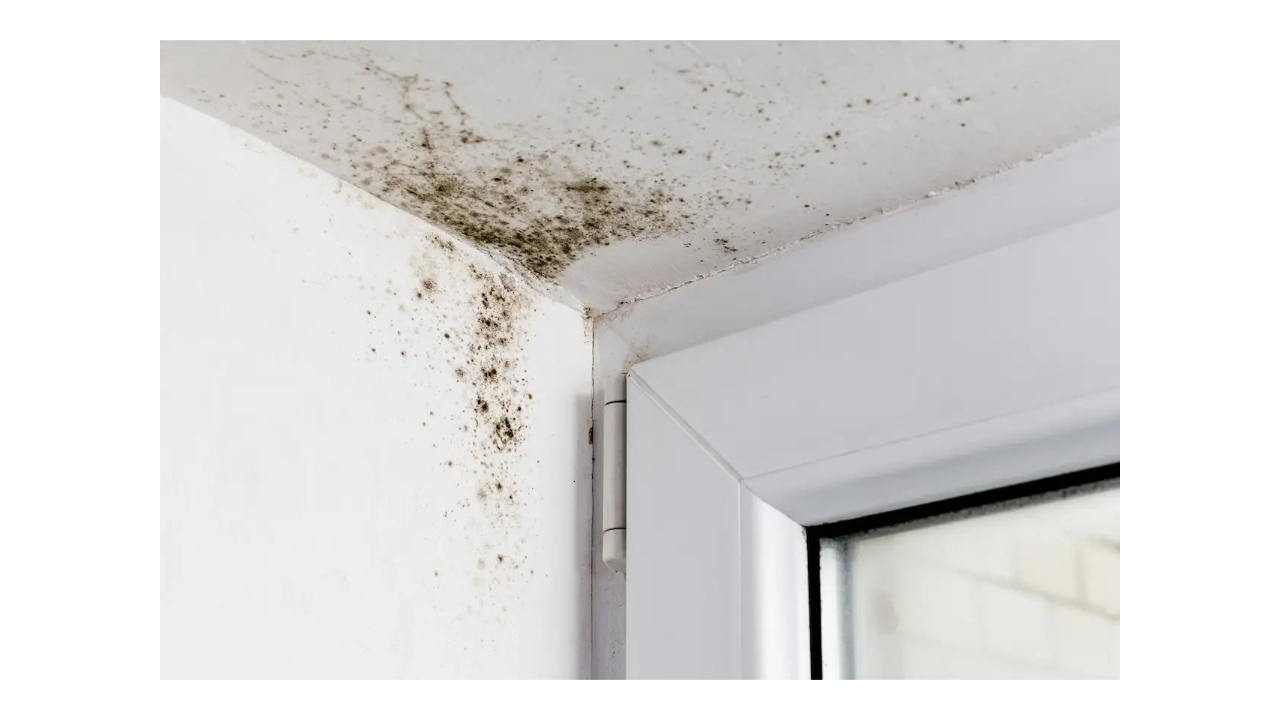
We see the effects of mold exposure every day in our line of work, and the symptoms are often mistaken for allergies, a lingering cold, or plain fatigue. Recognizing them early makes the difference between a quick fix and a health problem that drags on for months.
In this guide, we break down the physical, respiratory, and long-term symptoms of mold exposure, who faces the highest risk, and what steps to take if you suspect mold in your home or workplace.
What Is Mold Exposure and Why It Affects Your Health
Mold releases microscopic spores into the air as part of its natural growth cycle. When those spores are inhaled, touched, or in some cases ingested, your body reacts — and how strongly depends on the type of mold, the length of exposure, and your own sensitivity.
Allergic reactions to mold are common and can appear immediately or develop over time, ranging from mild irritation to more serious respiratory responses. Mold exposure can also irritate the eyes, skin, nose, throat, and lungs in people who are not allergic to it at all, which is why symptoms are so often misread as something else. CDCCDC
Common Physical Symptoms of Mold Exposure
We advise clients to watch for a cluster of symptoms rather than a single sign, since mold rarely announces itself with just one issue. The most frequently reported symptoms include:
- Persistent sneezing, coughing, or a stuffy nose
- Watery, itchy, or red eyes
- Skin irritation or unexplained rashes
- Sore throat or a chronic cough that will not clear
- Fatigue that does not improve with rest
- Headaches that recur in the same room or building
People with asthma or an allergy to mold may experience more severe reactions, while those who are immune-compromised or living with chronic lung disease face a higher risk of developing lung infections from mold exposure. FDP Mold Remediation
Respiratory and Allergic Reactions to Mold
Respiratory symptoms are usually the first and most noticeable sign of a mold problem. Notable triggers for these reactions include mold spores along with dust mites and pet dander, and the resulting symptoms range from rhinitis and nasal congestion to full asthma attacks in sensitive individuals. CDC
Research shows that around 21 percent of asthma cases in the United States may be linked to damp, moldy conditions, and living in a home with persistent mold or moisture can raise asthma risk by 30 to 50 percent. We have seen this firsthand in older Florida properties, where humidity and hidden water intrusion create ideal conditions for mold to take hold behind walls and under flooring. CDC
Neurological and Long-Term Symptoms of Mold Toxicity
Not every mold-related symptom is respiratory. Some species, particularly toxic black mold, produce mycotoxins that affect the body beyond the lungs. Reported symptoms of longer-term exposure include:
- Brain fog or difficulty concentrating
- Memory issues
- Mood changes, including irritability or low mood
- Joint or muscle pain
- Chronic sinus infections
If several of these symptoms overlap with a damp or musty smell in your home, it is worth reviewing our guide on the warning signs of mold toxicity for a fuller symptom checklist.
Who Is Most at Risk From Mold Exposure
Mold affects everyone differently, but certain groups face a higher risk of serious symptoms:
- Infants and young children, whose respiratory systems are still developing
- Elderly individuals with weaker immune response
- People with asthma, allergies, or chronic respiratory conditions
- Anyone who is immune-compromised, including those undergoing certain medical treatments
We always advise clients that even healthy adults without a prior sensitivity can develop symptoms after prolonged exposure, especially in homes with hidden water damage that has gone unaddressed for months.
How to Know If Your Symptoms Are Mold-Related
One of the clearest signs is a pattern: symptoms that improve when you leave a specific building and return once you're back inside it. Visible mold, musty odors, recent water damage, or high humidity in the affected space are strong indicators worth investigating further.
If your home has experienced flooding, a roof leak, or plumbing issues, understanding the different categories of water damage can help you assess how much risk you're actually facing, since not every type of water intrusion carries the same mold risk.
What to Do If You Suspect Mold Exposure
If your symptoms line up with the signs above, the priority is identifying the source before it spreads further.
- Inspect high-moisture areas first, including bathrooms, basements, attics, and around windows
- Learn to detect mold in your home using visual and odor cues, even before visible growth appears
- Understand what black mold actually looks like, since it's frequently confused with less harmful mold types like white mold
- Consider professional testing, such as an ERMI mold test, for a more accurate picture than a visual check alone
- Check areas that are easy to overlook, including mold in the attic, where poor ventilation often lets it grow undetected
We prioritize a strategy that starts with identification and testing before any remediation begins, since treating the wrong area wastes time while symptoms continue.
Why Choose NIAQI for Mold Assessment and Training
We combine over 50 years of combined field experience with state-approved training to help you understand and act on mold-related health risks with confidence.
- Instructors with direct, hands-on field experience in Florida's mold and moisture conditions
- State-approved courses covering symptom recognition, sampling, and remediation
- Training that leads to real certifications, including a mold assessor license in Florida
- Practical, three-day format combining lectures with hands-on demonstration
- A curriculum built around what happens in the field, not just what's needed to pass an exam
Conclusion
Mold exposure symptoms are easy to dismiss until they become a recurring problem. Watching for respiratory, skin, and neurological signs — especially ones tied to a specific room or building — is the fastest way to catch mold early. If you're ready to take this knowledge further, our NIAQI Course & Certification trains you to assess and remediate mold professionally.
Frequently Asked Questions
How long does it take for mold exposure symptoms to appear?
Symptoms can appear within hours for sensitive individuals or develop gradually over weeks of continuous exposure, depending on the mold type and concentration.
Can mold exposure symptoms go away on their own?
Mild symptoms often improve once you leave the affected environment, but symptoms tend to return if the mold source is not identified and removed.
Is black mold more dangerous than other types?
Black mold is considered particularly concerning because it can produce mycotoxins linked to more serious health effects, including memory issues, though any mold type can cause symptoms in sensitive individuals. Moldco
Should I get tested if I suspect mold exposure?
Yes. Testing, such as an ERMI test, gives a clearer picture than visual inspection alone and helps confirm whether mold is the actual cause of your symptoms.
When should I call a professional instead of handling it myself?
If symptoms persist, mold covers a large area, or you're dealing with a health-sensitive household member, a certified mold assessor should evaluate the property before any remediation begins.
Get mold industry news and updates from NIAQI.
Join our mailing list to receive the latest news and updates from our expert mold instructors.
Don't worry, your information will not be shared.
We hate SPAM. We will never sell your information, for any reason.

