
How to Get Rid of Mold and Mildew Smell in Your Car for Good
Jul 17, 2026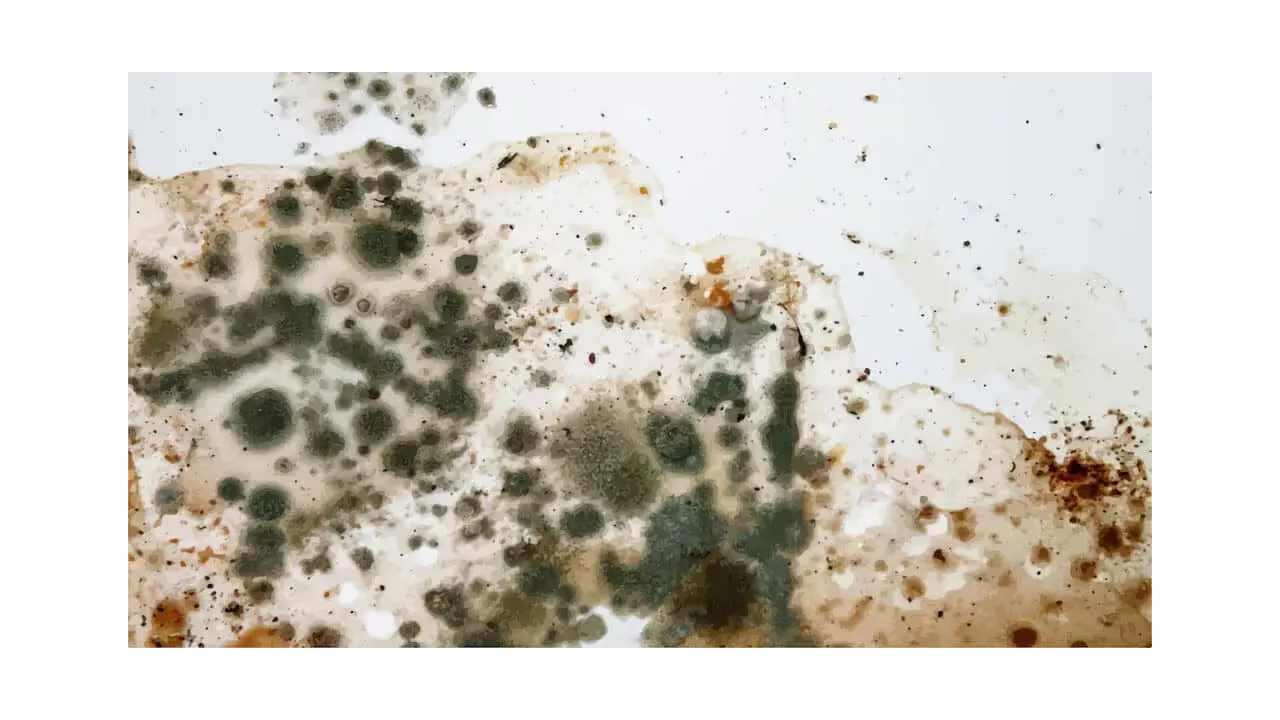
A musty smell in your car almost always means moisture is trapped somewhere it shouldn't be. Spraying air freshener over it only masks the problem for a day or two.
We've worked with enough moisture and mold cases to know the smell is a symptom, not the problem itself. Find the source first, then clean it properly, and the smell won't come back.
Why Mold and Mildew Smell Shows Up in Your Car
Mold needs three things to grow: moisture, an organic food source, and still air. Cars provide all three more often than people realize.
Common causes include:
- A wet floor mat left in after rain
- A sunroof or window seal that's leaking slowly
- Spilled drinks that soaked into carpet or seats
- A clogged AC condensate drain that lets water pool under the carpet
- Wet gym bags, towels, or umbrellas stored in the trunk
The smell usually shows up days after the moisture entered, once mold has already started growing. By the time you notice it, you're not preventing mold — you're removing it. If you want the fuller picture of how fast this happens, see how long does it take for mold to grow.
Find the Source Before You Clean Anything
Cleaning the surface without finding the source is the most common mistake we see. The smell returns within a week because the moisture is still there, feeding new growth.
Check these spots in order:
- Floor mats and carpet — lift them fully and check the padding underneath, not just the top layer
- Door and window seals — run your hand along them after a rainy day to feel for damp spots
- Trunk carpet and spare tire well — a common hiding spot for slow leaks
- Under the seats — spills often run underneath and sit unnoticed
- AC vents — if the smell gets stronger when the AC turns on, the source is likely inside the system
If you press on damp carpet and water comes up, you've found an active leak that needs fixing before any cleaning will hold. The same source-first approach applies at home too — we break it down in how to detect mold in your home.
Step-by-Step: Removing Mold and Mildew Smell From Your Car
Once you've found where the moisture is coming from, here's the process we recommend:
- Remove and dry all mats and removable fabric. Wash them if machine-safe, then dry them completely in the sun before putting them back.
- Vacuum thoroughly, including seat crevices and the trunk, to remove mold spores and food sources like dust and crumbs.
- Clean visible mold with a mix of white vinegar and water (equal parts) using a soft brush on fabric and a cloth on hard surfaces. Vinegar breaks down mold at the surface level without damaging most interior materials.
- Let the area dry completely before closing doors and windows. A fan or the car's own airflow with windows down works well.
- Use a HEPA vacuum pass afterward to pick up any loosened spores so they don't resettle.
For carpet padding that's been wet for more than 48 hours, cleaning the surface usually isn't enough — the padding underneath needs to be checked and, in many cases, replaced. For a broader walkthrough of getting mold out of a vehicle beyond just the smell, see our guide on how to get mold out of your car.
Cleaning the AC System (a Big Source of Car Mildew Smell)
If the smell gets worse when you turn on the AC, mold is likely growing on the evaporator core or in the drain line — not in the cabin itself.
- Run the AC on high with the windows down for 10 minutes after driving, to dry out the system before shutdown
- Replace the cabin air filter if it hasn't been changed in the last year
- Use an AC system cleaner designed for evaporator coils, following the product's instructions exactly
- If the smell persists after cleaning, a clogged condensate drain is likely trapping water — this typically needs a technician to clear
This is one of the few car mold issues we recommend leaving to a professional if the first cleaning pass doesn't resolve it, since the evaporator core isn't easy to access without disassembly.
How to Keep the Smell From Coming Back
Prevention comes down to controlling moisture before it sits long enough to grow anything.
- Dry wet items before storing them in the car, even for a short trip
- Check door and window seals once a season, especially before Florida's rainy months
- Crack a window slightly when the car is parked in direct sun to reduce trapped humidity
- Keep a small moisture absorber in the cabin during humid seasons
- Address any water leak within 24 to 48 hours — the categories of water damage matter here too, since a slow leak behaves differently than a flood, as we explain in categories of water damage
When the Smell Means More Than a Bad Spill
If you've cleaned thoroughly and the smell keeps returning, or you notice what black mold looks like forming on seats or carpet, the moisture source is likely still active. At that point, DIY cleaning treats the symptom while the cause keeps feeding it.
Persistent mold exposure in an enclosed space like a car cabin is also worth taking seriously — we outline the physical symptoms to watch for in 10 warning signs of mold toxicity.
Conclusion
Mold and mildew smell in a car is fixable, but only if you deal with the moisture source, not just the smell. Dry the source, clean with the right method, and check your seals regularly, and the problem won't return. If it does, that's a sign the source hasn't actually been found yet.
Why Trust NIAQI
We built our training programs around the same principle we just walked you through — find the source, understand the science, then act. Our instructors bring that same standard to every course.
- Over 50 years of combined field experience among our instructors
- State-approved training for Florida mold assessors and remediators
- Hands-on demonstrations, not just classroom theory
- Courses built on real building science, not generic checklists
- A curriculum that covers moisture, HVAC, and remediation as one connected system
If home or vehicle mold issues keep coming back for you or your clients, our NIAQI Course & Certification program covers the assessment and remediation skills to solve it at the source, not just clean the surface.
FAQ
- Why does my car smell musty even after I clean it?
The smell returns when the moisture source hasn't been fixed, not just the visible mold. Check carpet padding, door seals, and the AC drain line. - Can I remove car mold myself, or do I need a professional?
Surface mold on carpet and seats can usually be handled yourself with vinegar and thorough drying. AC evaporator mold often needs a technician. - Does vinegar actually kill mold in a car?
Yes, vinegar is effective on non-porous and lightly porous surfaces. Deeply saturated padding may need replacement rather than cleaning. - How long does it take for mold to grow in a wet car?
Mold can begin growing within 24 to 48 hours of standing moisture, which is why fast drying after a spill or leak matters. - Is mold smell in a car dangerous to breathe?
Prolonged exposure in an enclosed space can cause symptoms in sensitive individuals. If the smell is strong and persistent, treat it as an active problem, not just an odor issue.
Get mold industry news and updates from NIAQI.
Join our mailing list to receive the latest news and updates from our expert mold instructors.
Don't worry, your information will not be shared.
We hate SPAM. We will never sell your information, for any reason.

