
IICRC S520 Condition 1, 2 and 3 Mold Explained for Florida Remediators
Nov 02, 2026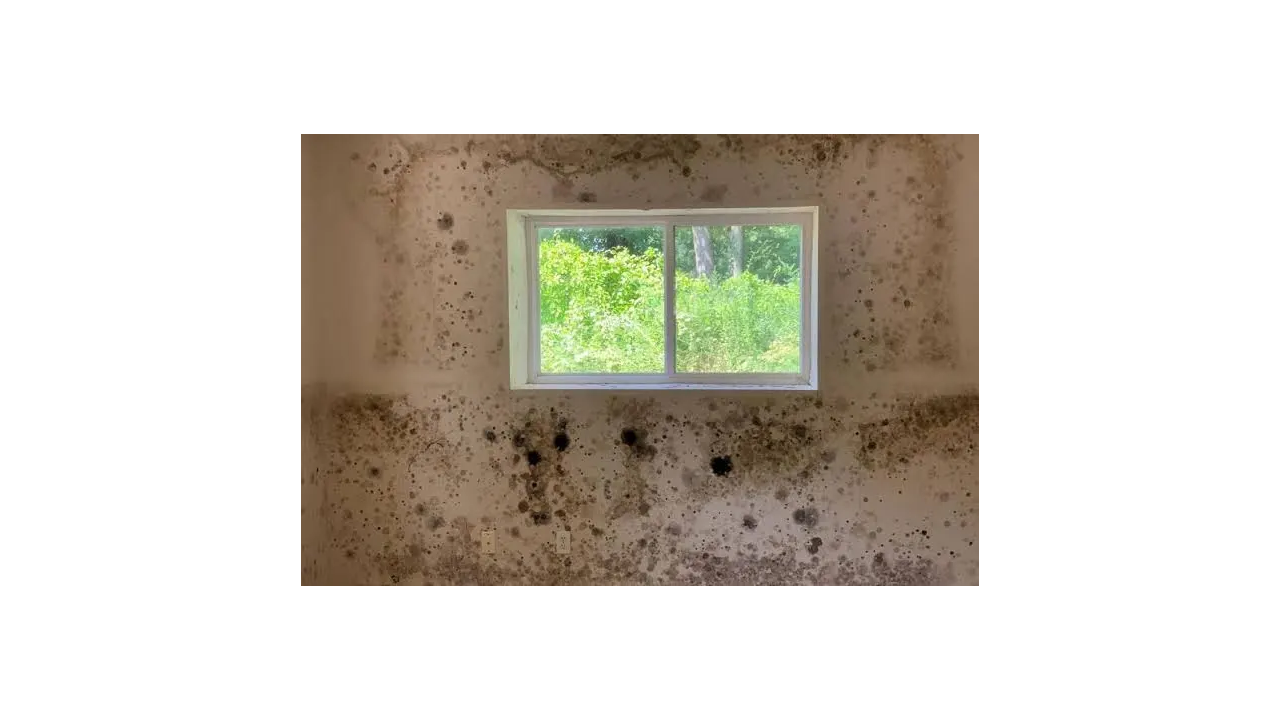
Every mold job in Florida starts with the same question: how contaminated is this space, really? The IICRC S520 standard answers it with three “Conditions.” Understanding them is the difference between a project that passes clearance and one that gets called back.
Quick Answer: Under ANSI/IICRC S520, Condition 1 is normal fungal ecology. Condition 2 is an area mainly contaminated with settled spores or fragments that came from a growth area. Condition 3 is actual mold growth. The goal of every remediation project is to return affected areas to Condition 1.
What Is the IICRC S520 Standard?
The ANSI/IICRC S520 Standard for Professional Mold Remediation sets out the procedures and precautions for remediating mold in residential, commercial and institutional buildings, as well as their systems and contents. The current version is the Fourth Edition, published in 2024. It is written primarily for remediation companies and workers, but assessors and others who write protocols or manage projects also rely on it.
If you hold or are pursuing a Florida mold remediation license, S520 vocabulary is everyday language on job sites, in protocols and in conversations with adjusters.
Condition 1: Normal Fungal Ecology
Mold spores exist in virtually every indoor environment, so Condition 1 does not mean “zero mold.” It describes a space where any spores, fragments or traces of growth match what you would expect, in type, location and amount, for a similar building without water damage.
Condition 1 is the finish line. Post-remediation verification is essentially a third-party check confirming that the remediated space has returned to Condition 1.
Condition 2: Settled Spores and Fragments
Condition 2 describes an area primarily contaminated with settled spores that spread directly or indirectly from a Condition 3 area. It may also show traces of actual growth.
Picture a bedroom next to a closet with growth on the drywall. The bedroom may show no visible mold, yet its surfaces and contents carry spores that migrated from the closet.
The 2024 edition expanded this definition. It now adds airborne contamination, includes mycotoxins, and calls for confirmation with analytical methods. In practice, Condition 2 surfaces are cleaned while the Condition 3 source is removed.
Condition 3: Actual Mold Growth
Condition 3 is an indoor environment contaminated with actual mold growth along with its associated spores and fungal fragments. That growth may be visible on a surface or hidden inside wall cavities, under flooring or in HVAC components.
Condition 3 drives the heaviest response: containment, engineering controls such as HEPA filtration and negative air, proper PPE, and physical source removal. Our mold remediation equipment list covers the tools this work requires.
How the Conditions Shape Your Remediation Plan
The condition classification determines what can be cleaned and what has to go.
- Porous materials: Items such as carpet, ceiling tile and drywall paper generally cannot be successfully remediated once they reach Condition 3, so they are typically removed.
- Removal before chemicals: The 2024 edition puts more emphasis on discouraging remediators from spraying products on mold before physically removing it and cleaning the surfaces. Antimicrobials and coatings support removal; they do not replace it.
- Moisture comes first: S520 assumes that finding and fixing the underlying cause of contamination is the responsibility of the property owner or their agent, not the remediator. Owners can still hire professionals for that work. In Florida, condensate problems are a frequent source, as covered in our guide to mold in air conditioners. Document that the moisture issue was corrected before you start.
Why Conditions Matter for Florida Remediators
Florida licenses assessment and remediation separately. A licensed mold assessor in Florida typically documents conditions and writes the protocol, and the remediator carries it out. Shared S520 terminology keeps both sides aligned. It also ties into the rules on whether a mold assessor can do remediation on the same project.
Accurate condition mapping also protects you at clearance. If Condition 2 areas outside the obvious growth zone are missed, verification can fail even after the visible mold is gone.
Frequently Asked Questions
Is Condition 2 just “mild” mold?
No. Condition 2 is defined by what the contamination is and where it came from: settled or airborne spores and fragments from a growth source. It is not a severity rating.
Does S520 replace Florida licensing law?
No. S520 is an industry standard of care. Florida’s mold profession is governed by Chapter 468, Part XVI of the Florida Statutes and Rule 61-31 of the Florida Administrative Code. Remediators should follow both. See our Florida mold license requirements page for the rule text.
Build Real S520 Skills with NIAQI
NIAQI’s state-approved 3-day Florida mold certification course covers sampling interpretation, remediation and prevention, and the IICRC S500 and S520 references behind them. It is taught by working IAQ professionals. Already licensed? Our Florida mold CEU course keeps your knowledge current for renewal.
Get mold industry news and updates from NIAQI.
Join our mailing list to receive the latest news and updates from our expert mold instructors.
Don't worry, your information will not be shared.
We hate SPAM. We will never sell your information, for any reason.

