
Mold Remediation Equipment List and Startup Cost in Florida
Aug 30, 2026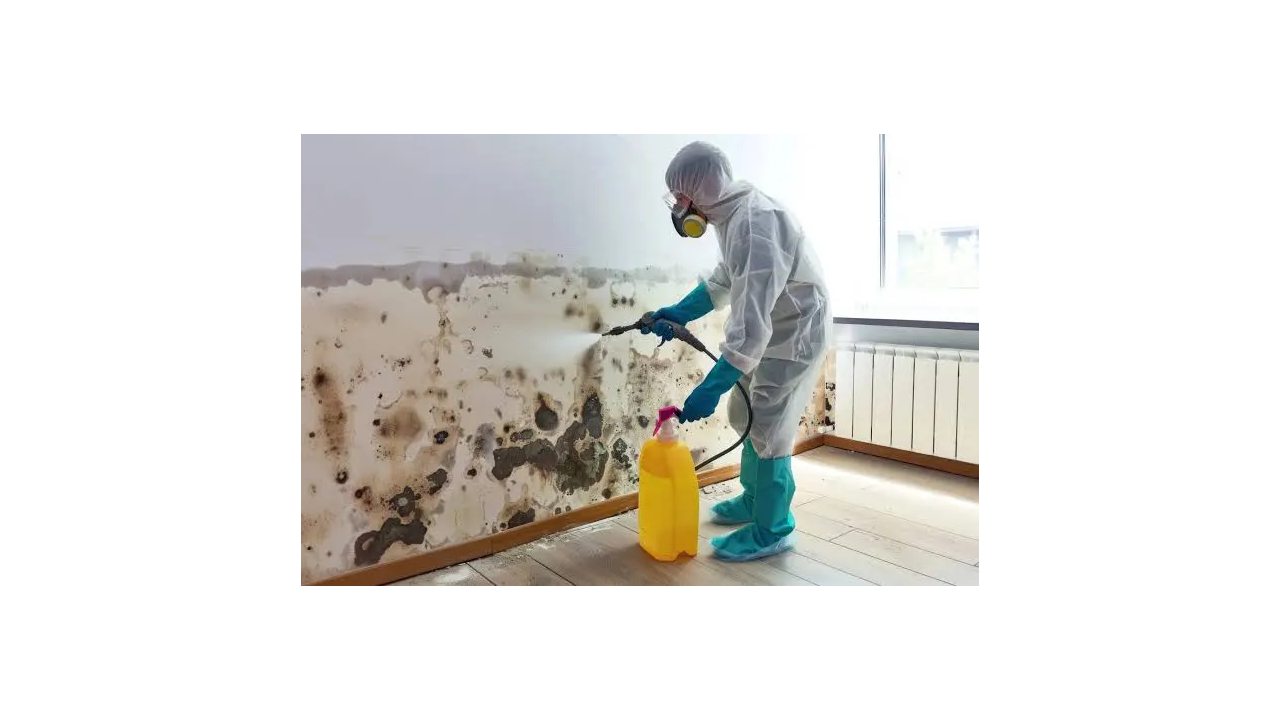
Most new remediators in Florida budget for the license and forget the truck. The gear is where the real money goes, and buying the wrong tier first is the fastest way to stall a business before the first paid job.
We built this mold remediation equipment list from what our students actually purchase in their first six months. Every price below reflects real Florida market ranges, split into a starter kit and a full-crew build.
What a Mold Remediation Equipment List Actually Covers
A working mold remediation equipment list breaks into five functions: containment, air filtration, drying, detection, and personal protection. Skip any one of them and the job either fails clearance or exposes your crew.
Florida adds pressure the rest of the country does not. Year-round humidity means dehumidification is not optional equipment here, and storm season creates volume spikes where a single air scrubber becomes the bottleneck on a three-room job. We tell every student the same thing: buy for the jobs you will take in month four, not month one.
Starter Kit vs Full-Crew Setup: Real Cost Ranges
|
Equipment |
Starter Kit |
Full-Crew Setup |
Why It Matters |
|
Negative air machine / AFD |
$700 – $1,200 (1 unit) |
$2,800 – $4,800 (3–4 units) |
Creates negative pressure inside containment |
|
HEPA vacuum (certified) |
$500 – $900 |
$1,500 – $2,700 (3 units) |
Required for final cleaning; shop vacs do not qualify |
|
Air scrubber (secondary) |
— |
$800 – $1,400 |
Runs unfiltered room air during teardown |
|
LGR dehumidifier |
$1,400 – $2,600 |
$4,200 – $7,800 (3 units) |
Non-negotiable in Florida humidity |
|
Air movers |
$400 – $700 (4 units) |
$1,600 – $2,800 (16 units) |
Surface evaporation during structural drying |
|
Pin & pinless moisture meter |
$250 – $600 |
$700 – $1,400 (multiple) |
Documents pre- and post-drying readings |
|
Thermal imaging camera |
$400 – $900 (entry) |
$2,500 – $6,000 (radiometric) |
Locates hidden moisture behind assemblies |
|
Thermo-hygrometer |
$80 – $200 |
$300 – $600 |
Records GPP and RH for drying logs |
|
Containment materials |
$150 – $350 |
$600 – $1,200 |
Poly sheeting, zipper doors, tape, spring poles |
|
PPE (per person) |
$180 – $400 |
$900 – $2,000 |
Full-face respirator, suits, gloves, boot covers |
|
Negative pressure monitor |
$200 – $450 |
$450 – $900 |
Proves containment held during the job |
|
HEPA filters (annual) |
$300 – $600 |
$1,200 – $2,400 |
Consumable; budget yearly, not once |
|
Total equipment |
$5,000 – $9,000 |
$20,000 – $34,000 |
Add licensing, insurance, and business setup on top. Our breakdown of Florida mold license cost covers the application and exam side, and the mold license bond and insurance requirements page explains the $1 million general liability attestation the state requires before it issues a remediator license.
The Five Purchases That Come First
We have watched enough startups misallocate their first $5,000 to know the order matters. If cash is tight, buy in this sequence:
- LGR dehumidifier — in Florida this is the piece that determines whether a structure actually dries or just spreads moisture
- Negative air machine with HEPA filtration — no containment integrity without it, and no defensible job file either
- Pinless moisture meter — you cannot scope work you cannot measure
- Full-face respirator and PPE — required the moment you open a containment
- HEPA vacuum, AHAM- or CDC-rated — a standard shop vacuum recirculates spores and will cost you a clearance
Everything else can be rented for the first few jobs. Air movers and secondary scrubbers rent for $25 to $60 per day in most Florida markets, which is the right call while you are still proving demand.
Buy, Rent, or Subcontract?
Renting protects cash flow but destroys margin on repeat work. Our rough threshold: once a piece of equipment is deployed more than eight days a month, buying pays for itself inside a year.
The exception is high-ticket detection gear. A radiometric thermal camera at $4,000 is hard to justify in year one unless you are also performing assessments, and Florida law restricts you from assessing and remediating the same property anyway. Understanding the mold remediation process end to end helps you see which tools you will genuinely touch on every job versus which ones sit in the trailer.
Equipment Costs That Get Forgotten
The equipment list is the visible number. These are the ones that surprise people in month three:
- Filter replacement — HEPA filters run $90 to $220 each and need changing every 6 to 12 months under normal use
- Calibration — moisture meters and hygrometers should be verified annually to keep your documentation defensible
- Transport — a cargo trailer or box van adds $4,000 to $18,000, and Florida crews rarely fit a full setup in a pickup bed
- Storage and power — multiple LGRs and air movers on one residential circuit will trip breakers; budget for a portable generator or spider box
- Consumables per job — poly, tape, antimicrobials, and disposable PPE typically run $120 to $400 per project
We always advise clients to treat consumables as a line item inside every estimate rather than absorbing them into overhead. It is the single fastest way to protect margin on small jobs.
What Your Equipment Has to Prove
Equipment is not just about doing the work. It is about documenting it. Negative pressure readings, moisture logs, and pre- and post-remediation photos are what make a job file defensible when an insurer or attorney reviews it.
That documentation standard is why we build our training around field records rather than theory alone. The same logic applies to the assessment side, where a DBPR-compliant mold assessment report is only as strong as the instrument readings behind it. Knowing the categories of water damage also determines your containment level and PPE selection before you unload a single machine.
Before You Spend a Dollar: Get Licensed
Buying equipment before licensure is the most common sequencing mistake we see. In Florida, performing mold remediation for compensation without a license carries real consequences, which we cover in our guide on penalties for mold remediation without a license.
If you are still deciding whether the numbers work, our analysis of is mold remediation a profitable business puts equipment cost against realistic Florida job pricing. And once you are ready to build the company around it, how to start a mold remediation business in Florida walks through entity setup, insurance, and your first client pipeline.
Why Choose NIAQI
We train Florida remediators on the exact equipment they will operate on their first paid job, not on a slideshow.
- State-approved training toward your mold remediation license
- Hands-on demonstrations with containment, negative air, and detection equipment
- Instructors with over 50 years of combined field experience in Florida conditions
- Curriculum built around documentation standards that hold up under review
- One course covering both MRSA and MRSR pathways, with the exam on day three
Mold Remediation Equipment List & Startup Cost
Mold Remediation Equipment List & Startup Cost
What equipment do I need for mold remediation?
A working mold remediation equipment list needs a negative air machine with HEPA filtration, a certified HEPA vacuum, an LGR dehumidifier, air movers, moisture meters, containment materials, and full PPE including a respirator.
How much does mold remediation equipment cost to start?
A functional starter kit runs $5,000 to $9,000 in Florida. A full-crew setup capable of handling multi-room jobs runs $20,000 to $34,000 before vehicle, licensing, and insurance costs.
Can I rent mold remediation equipment instead of buying?
Yes. Air movers and secondary scrubbers rent for roughly $25 to $60 per day. Buying generally makes sense once a machine is deployed more than eight days per month.
Do I need a license to buy or operate this equipment in Florida?
You can purchase equipment freely, but performing mold remediation for compensation requires a Florida MRSR license. Review do you need a license to remove mold in Florida before taking paid work.
Is a shop vacuum acceptable for mold cleanup?
No. A standard shop vacuum recirculates spores into the air. Final cleaning requires a HEPA-filtered vacuum rated for particulate capture.
Conclusion
Mold remediation equipment costs between $5,000 and $34,000 in Florida depending on crew size. Buy dehumidification, negative air, and detection first, and rent the rest until volume justifies ownership. Every purchase should support the documentation that defends your work. Ready to build the skills behind the equipment? Explore our mold certification course and register for the next session.
Get mold industry news and updates from NIAQI.
Join our mailing list to receive the latest news and updates from our expert mold instructors.
Don't worry, your information will not be shared.
We hate SPAM. We will never sell your information, for any reason.

