
White Fuzzy Mold, Fluffy Mold and Powdery Mold: Which Is Dangerous?
Jul 14, 2026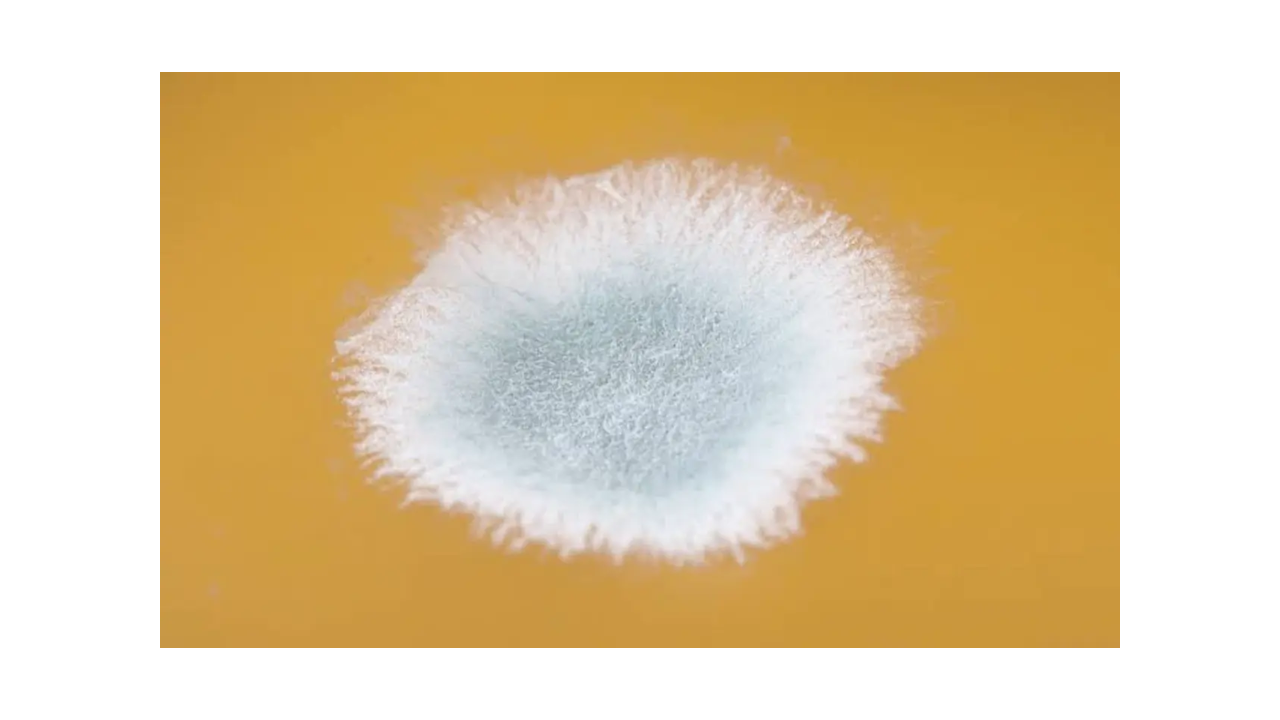
We get asked constantly whether the mold someone found in their bathroom or attic is "the dangerous kind." The truth is, texture alone won't give you a full answer, but it's the first clue worth paying attention to.
In this guide, we break down white fuzzy mold, white fluffy mold, and powdery mold, what causes each one, and which situations call for professional testing rather than a DIY fix.
What Is White Fuzzy Mold?
White fuzzy mold has a raised, cotton-like texture that you can often see before you even touch it. It commonly shows up on wood, drywall, and fabric in areas with poor ventilation and consistent moisture.
We've inspected this type most often in crawl spaces, basements, and around window frames where condensation builds up over time. It tends to spread quickly once it takes hold, because the fuzzy growth pattern is actually a sign of active spore production.
Common causes include:
- Slow-leaking pipes behind walls
- Poor airflow in enclosed spaces
- Humidity levels sitting above 60% for extended periods
What Is White Fluffy Mold?
White fluffy mold looks similar to fuzzy mold but tends to sit lighter on the surface, almost like a dusting of cotton candy. It's frequently mistaken for efflorescence, a harmless mineral deposit that forms on concrete and masonry.
We always advise clients to do a simple water test before assuming the worst. Efflorescence dissolves when you apply a few drops of water, while fluffy mold does not. This one distinction saves a lot of unnecessary panic and unnecessary spending on testing.
Fluffy mold typically appears on:
- Basement walls and concrete foundations
- Wood framing exposed to moisture
- HVAC components with condensation buildup
What Is Powdery Mold?
Powdery mold behaves differently from the fuzzy and fluffy varieties. Instead of growing upward, it spreads flat across a surface and can rub off easily onto your fingers, like chalk dust.
We have seen firsthand how often powdery mold gets ignored because it looks less alarming than fuzzy growth. That's a mistake. Powdery mold spreads fast across large surface areas and is a strong indicator of high ambient humidity in the space.
You'll typically find it on:
- Painted walls and ceilings
- Fabric, upholstery, and stored clothing
- Wood surfaces in attics with poor ventilation
Which One Is Actually Dangerous?
Here's where identification by texture alone falls short. Fuzzy, fluffy, and powdery are growth patterns, not species names. Any of these textures can belong to a mold species that produces mycotoxins, and any of them can also be a harmless surface mold.
What matters more than texture is:
- How fast it's spreading. Rapid coverage across a wall or ceiling signals an active moisture source feeding the growth.
- Where it's growing. Mold near HVAC systems circulates spores through the entire living space, raising exposure risk.
- How long it's been there. Mold left untreated for months has usually penetrated deeper into the material than what you can see on the surface.
We prioritize a strategy of testing before treating, because guessing based on appearance alone leads to incomplete remediation. A proper assessment identifies the species and the moisture source, not just the mold you can see.
If you're noticing physical symptoms alongside visible mold, it's worth reviewing the warning signs of mold toxicity before deciding whether this is a DIY job or one that needs a licensed assessor.
Where to Check First
Mold rarely stays confined to the spot where you first spotted it. We recommend checking these areas next:
- Basements and crawl spaces, where basement mold types often go unnoticed for months
- Attics, especially around roof vents and insulation
- Around any recent water damage, using our guide on categories of water damage to gauge how serious the source moisture event was
If you're unsure how to inspect these spaces safely yourself, our breakdown on how to detect mold in your home walks through the process step by step.
When to Call a Professional
Surface cleaning works for small, isolated patches under about 10 square feet. Beyond that, or if the mold keeps returning after cleaning, it's a sign the moisture source hasn't been addressed.
We always advise against relying solely on store-bought products for anything beyond a minor spot. Our comparison of the best mold killer options explains which products actually work and where their limits are.
For larger infestations, a licensed mold assessor should test the air and surface samples to confirm the species and scope before any remediation begins. This step protects you from both health risks and from remediation that only treats what's visible.
Why Choose NIAQI
We train the assessors and remediators who identify and resolve situations exactly like this one, which means our course content is built directly from real fieldwork, not textbook theory.
- Instructors with over 50 years of combined field experience in mold assessment and remediation
- State-approved curriculum covering identification, testing, and remediation strategy
- Hands-on training, not just classroom lectures
- A path to a Florida mold assessor or remediator license in three days
- Access to our directory of NIAQI-verified professionals if you'd rather hire a trained expert than tackle it yourself
FAQ
Is white fuzzy mold more dangerous than white fluffy mold?
Not inherently. Texture indicates growth pattern, not toxicity. Testing is the only way to confirm species and risk level.
Can I remove white powdery mold myself?
Small, isolated patches on non-porous surfaces can often be cleaned safely. Larger or recurring growth needs a professional assessment.
Does white mold turn a different color over time?
Yes, mold can change color as it matures or as environmental conditions shift, which is another reason texture and color alone aren't reliable for identification.
How do I know if it's mold or efflorescence?
Apply a few drops of water. Efflorescence dissolves; mold does not.
When should I get a mold assessor involved?
If the affected area exceeds 10 square feet, keeps returning after cleaning, or you're noticing physical symptoms, it's time to bring in a licensed assessor.
Conclusion
White fuzzy, fluffy, and powdery mold each point to a moisture problem worth taking seriously, regardless of how alarming the texture looks. The safest move is testing over guessing, especially once growth spreads beyond a small, isolated patch. If you're dealing with a larger issue, connecting with a trained professional protects both your home and your health.
Get mold industry news and updates from NIAQI.
Join our mailing list to receive the latest news and updates from our expert mold instructors.
Don't worry, your information will not be shared.
We hate SPAM. We will never sell your information, for any reason.

