
How to Become Qualified to Handle Mold in Your Home
May 12, 2026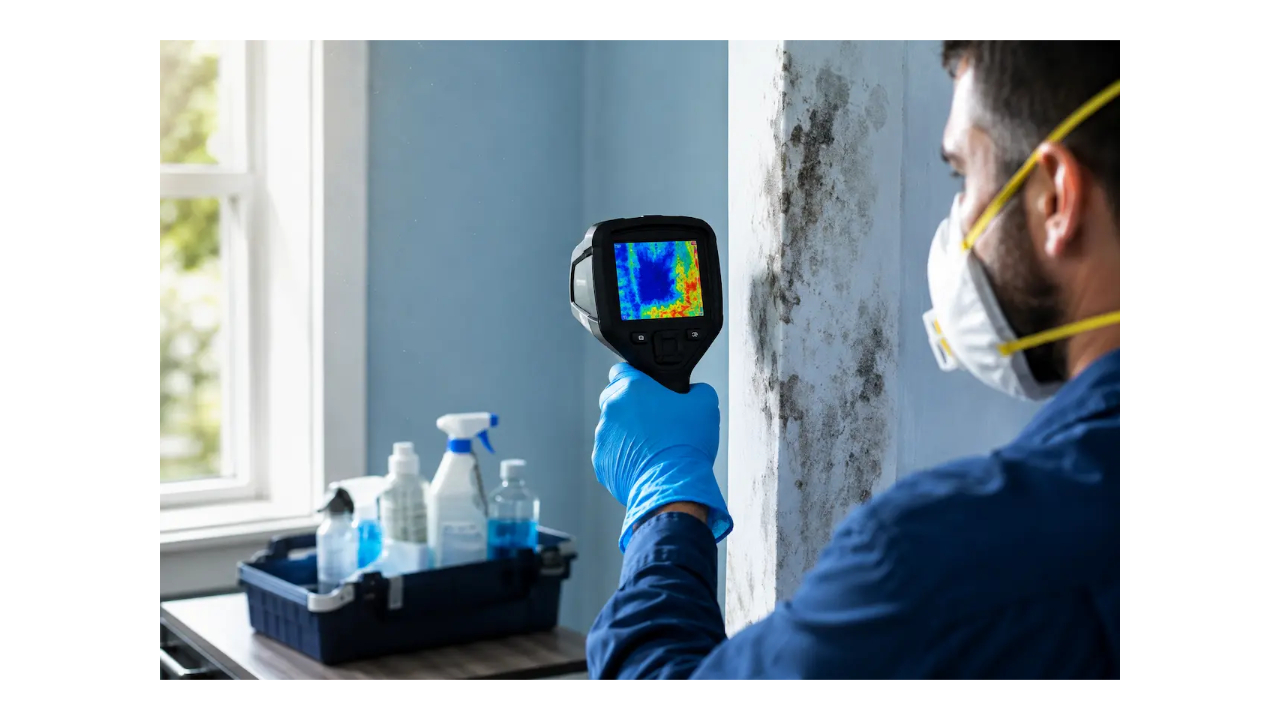
What Does It Mean to Be Qualified to Handle Mold?
Being qualified to handle mold means you have the proper training, knowledge, and safety skills to identify, contain, and safely clean mold growth in residential properties. In Florida, qualification typically involves completing an approved mold training course, understanding state regulations under the Florida Department of Business and Professional Regulation (DBPR), and learning industry-standard remediation practices. For homeowners, qualification can also mean having enough education to safely manage small mold issues, recognize when professional help is needed, and avoid health risks linked to improper mold removal.
Mold is one of the most common indoor air quality problems in Florida homes. With high humidity, frequent rainstorms, and hurricane-related water damage, mold growth is almost unavoidable in many properties. Yet most homeowners have no idea how to safely deal with it — and improper handling can spread spores, damage building materials, and trigger serious health issues.
Whether you want to protect your own family, save thousands on remediation bills, or start a career in the indoor air quality industry, learning how to properly handle mold is one of the smartest investments you can make. At NIAQI (National Indoor Air Quality Institute), we train homeowners, contractors, and aspiring professionals on exactly how to do this — safely, legally, and effectively.
This guide will walk you through what it takes to become qualified, the benefits of doing so, and how to choose the right training path in Florida.
Why Handling Mold Requires Qualification
Mold isn't just a cosmetic problem. It's a biological contaminant that releases spores and mycotoxins into the air you breathe. Mishandling it can:
- Spread spores throughout your home through cross-contamination
- Trigger respiratory problems, allergies, and asthma attacks
- Damage drywall, wood framing, insulation, and HVAC systems
- Reduce your property value significantly
- Lead to legal liability if performed for compensation without proper licensing
Florida has some of the strictest mold regulations in the country because of its climate. If you plan to handle mold beyond minor cleanup in your own home, training isn't optional — it's essential. You can learn more about this in our detailed guide on whether you need a license to remove mold in Florida.
Steps to Become Qualified to Handle Mold in Your Home
Becoming qualified isn't complicated, but it requires a structured approach. Here's how to do it the right way:
- Learn to Identify Mold Correctly Understand what mold looks like, where it grows, and the difference between harmless surface mold and dangerous infestations. Start with our guide on how to detect mold in your home.
- Understand Moisture and Building Science Mold is a moisture problem. Without controlling the water source, mold will always come back. Qualified individuals learn about leaks, humidity control, HVAC airflow, and construction materials.
- Enroll in a State-Approved Training Course This is the most important step. A professional course like the NIAQI Course & Certification teaches you mold science, sampling methods, containment, safe removal, and Florida's regulatory requirements.
- Learn Proper Safety Procedures Qualified mold handlers know how to use PPE (personal protective equipment), negative air machines, HEPA filtration, and proper containment barriers to prevent cross-contamination.
- Earn Your Certification or License Depending on your goals, you may pursue:
- A homeowner-level certification for personal property care
- A Mold Assessor License (MRSA) to professionally inspect and evaluate mold
- A Mold Remediation License (MRSR) to legally perform mold cleanup for clients
You can review the full license requirements to understand exactly what's needed in Florida.
- Practice Hands-On Skills Reading isn't enough. Real qualification comes from hands-on demonstrations, sampling practice, and real-world case studies — all of which are built into NIAQI's three-day course.
Benefits of Becoming Qualified to Handle Mold
Getting qualified delivers value far beyond the cost of training. Here are the biggest benefits:
Protect Your Family's Health Trained individuals know how to safely remove mold without spreading spores throughout the home. This dramatically reduces exposure-related health risks like sinus issues, fatigue, and respiratory problems. Learn more about the 10 warning signs of mold toxicity.
Save Thousands on Remediation Costs Professional mold remediation can cost anywhere from $1,500 to $30,000 depending on severity. With proper qualification, you can handle small to moderate mold issues yourself and avoid costly service calls.
Increase Your Property Value Homes with proper mold control and documented remediation history sell for more and pass inspections faster. Qualification helps you maintain your property professionally.
Open New Career Opportunities The Florida mold industry is booming. Qualified professionals can launch their own remediation business, work for established firms, or offer assessment services. Read our analysis on whether mold remediation is a profitable business.
Make Informed Decisions Even if you hire professionals, being qualified helps you evaluate quotes, spot dishonest contractors, and ensure the job is done right.
Comply With Florida Law Avoid legal trouble by understanding exactly what you can and cannot do legally when handling mold in different scenarios.
When to DIY and When to Call a Professional
Even after qualification, you should know your limits.
Safe for DIY (with proper training):
- Surface mold on bathroom tiles or grout
- Small isolated spots under 10 square feet
- Mold on non-porous surfaces caused by minor condensation
Always Call a Licensed Professional:
- Visible mold covering more than 10 square feet
- Mold inside walls, ceilings, or HVAC systems
- Mold caused by flooding or major water damage
- Persistent musty odors with no visible source
- Any situation where occupants have health symptoms
For a deeper look at proper procedures, see our breakdown of the process of mold remediation.
Why Choose NIAQI for Your Mold Qualification
When it comes to mold training in Florida, NIAQI stands apart for several reasons:
Over 50 Years of Combined Industry Experience Our instructors are founding members and leading professionals in the Indoor Air Quality industry — not classroom-only teachers.
State-Approved Certifications We offer the Certified Air Quality Consultant (CAQC) and Certified Indoor Air Quality Remediator (CAQR) credentials, both recognized in Florida.
Voted Best Mold Certification Course 2023 Our students consistently rank our program as the most practical and comprehensive in the state.
Hands-On, Real-World Training Our three-day course combines lectures, group discussions, hands-on demonstrations, and the state exam — so you leave fully prepared to apply for your license.
Complete Curriculum We cover moisture, drying strategies, building science, microbial science, sampling methodology, chemicals and toxicity, health and safety, HVAC, and prevention — everything you need in one program.
Pathway to a Real Career Whether you want to handle mold at home or build a business, our training gives you the foundation to do either. Learn more about NIAQI here.
Frequently Asked Questions
Q: Do I need a license to handle mold in my own home?
No, homeowners can legally clean small mold areas in their own property without a license. However, training is strongly recommended to avoid health risks and cross-contamination.
Q: How long does it take to become qualified?
NIAQI's full certification course is completed in just three days, including the state exam.
Q: What's the difference between a mold assessor and a mold remediator?
A mold assessor inspects and identifies mold problems. A mold remediator performs the actual cleanup and removal work. Many professionals get both licenses.
Q: Can I take mold training online?
Yes, certain components can be taken online. Learn more about online mold certification options.
Q: How much does mold certification cost in Florida?
Costs vary depending on the program. See our complete breakdown of mold certification costs in Florida.
Conclusion
Becoming qualified to handle mold in your home is one of the most valuable skills any Florida property owner or aspiring professional can develop. It protects your family's health, saves money, increases property value, and even opens the door to a thriving career in the indoor air quality industry.
Mold isn't going away in Florida. But with the right training, you can stop fearing it and start managing it confidently.
If you're ready to take the next step, NIAQI's industry-leading training program will give you the knowledge, certification, and hands-on experience to handle mold the right way.
Register for the Next NIAQI Course & Certification Session
Get mold industry news and updates from NIAQI.
Join our mailing list to receive the latest news and updates from our expert mold instructors.
Don't worry, your information will not be shared.
We hate SPAM. We will never sell your information, for any reason.

